
Roofing Company in Garland, TX
Phone
(214) 774-8818
Oldest stock
Collin, Dallas, Rockwall
1970s roofs
third coverings
Roofs on Garland's 1970s streets are on their third covering
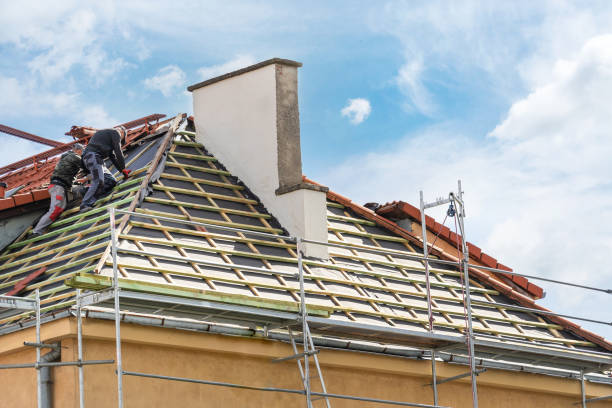
Garland built most of itself in the 1960s and 1970s, and 81.9% of its 86,216 homes predate 2000. The median house dates from 1978, which means the roofs on those streets have been replaced once or twice already, and the deck underneath them has been through fifty summers. What fails first on a house that age is usually not the shingle but the deck, the fascia and the metal at every transition.
Homes in Garland: the local picture
Garland is the oldest large city in this group: 86,216 homes, a median year built of 1978, and 81.9% of the stock built before 2000. The 1970s alone account for 27.6% and the 1960s another 16.1%, so nearly half the city’s roofs sit on mid-century construction.
Median year built 1978, and 10.8% before 1960
The Census Bureau’s 2024 five-year estimate puts the median year built at 1978, with 10.8% of homes built before 1960 and only 2.7% after 2019. A house from 1972 has a low pitch, wide eaves and a deck that has been heated and cooled for fifty years. Roofs on that housing are typically on a third covering, and the accumulated patching under it is the part that decides the scope.
None of that makes the housing unusual for North Texas; it makes it predictable. The failures run in a known order: valley metal first, then the pipe boots, then the fascia behind the gutter,.
Roofs on those streets also share a shingle line and a pitch, which is why the third replacement on a block tends to be quoted in the same season as the second.
Dallas County hail on old decking
NOAA’s Storm Events database records 196 hail reports in Dallas County between 2016 and 2025, on 64 days, with 23 reports at two inches or larger across nine days and a county maximum of 4.0 inches. The counts are lower than the counties north of the city, which is a feature of reporting density as much as of weather.
On decking that is fifty years old, the hail question is secondary to the water question: a stone that opens a shingle lets water into boards that have already been wet many times. That is why an inspection on a 1970s roof spends as much time in the attic as on the slope.
Because the county record runs March to June, an inspection done in the cooler months is read against a roof rather than against a queue.
527 feet, and a low pitch that holds the heat
The USGS Elevation Point Query Service returns 527.5 feet at the Census Bureau’s point for Garland. Elevation is not a factor there, but the combination of a low pitch and a hot summer is. The granule layer protects the asphalt from ultraviolet light, and the Asphalt Roofing Manufacturers Association describes granule loss as the mechanism by which prolonged UV exposure degrades the shingle.
A low-slope roof drains more slowly than a steep one, so the same rain sits longer at the same seams. On older housing that shows up as valley failures and as staining around the penetrations rather than as a field of worn shingle.
On a low pitch the sun works on a surface that drains slowly, and the seam that was sealed rather than rebuilt is the one that lets water in first.
Three counties, and a re-roofing permit
Garland sits in Dallas County with portions in Collin and Rockwall counties, and roof permits are issued by the city rather than by any of the three. Re-roofing is permitted work in Garland, and the city publishes its requirements rather than leaving the question to practice.
For a homeowner the useful step is to confirm the current requirement for the address before the crew is booked, and to keep the permit number with the house papers. On a third-covering roof the permit also fixes the date the work was done, which is the answer a buyer’s inspector will want years later.
The permit record is also the only reliable date for work done before the current owner bought the house, which is worth knowing before a sale.
Roofing services in Garland, TX
Work in this city is mostly about old housing: a third covering, a deck that needs attention, and metal that has been sealed rather than replaced. The visit decides how much of that a given roof needs, and the answer is often larger than the leak suggests.
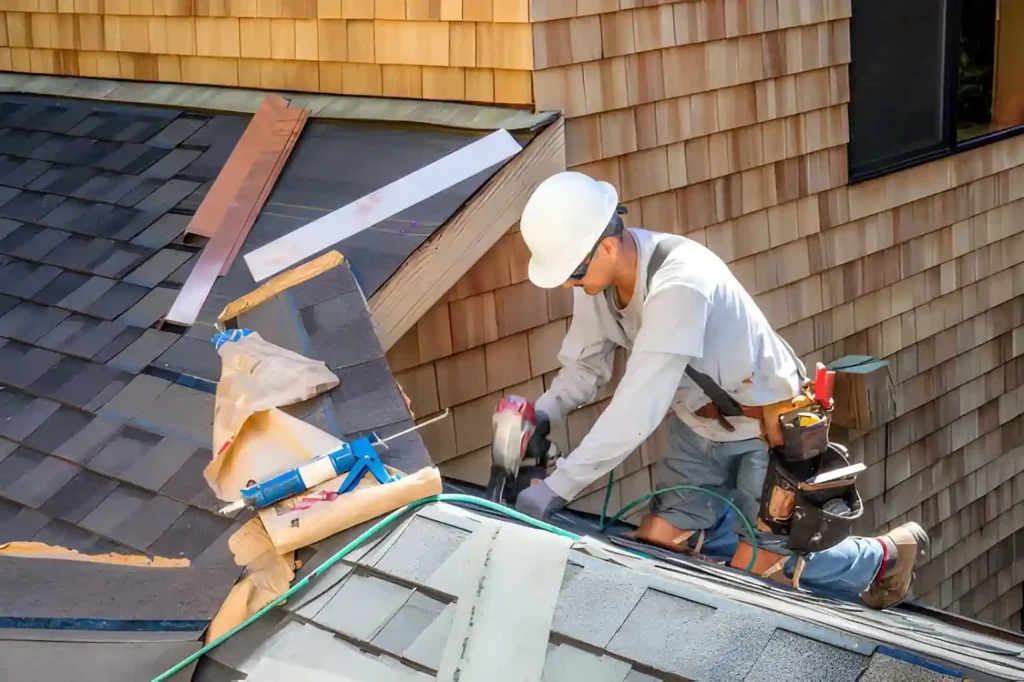
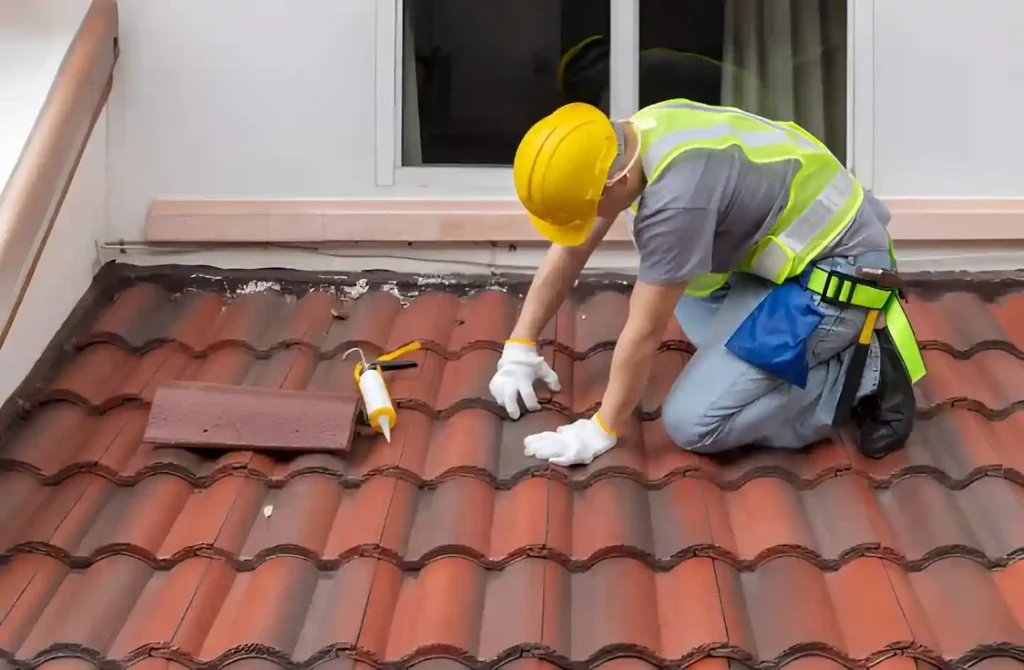
A local failure — a valley, a boot, a step flashing — is a roof repair job, and on a 1970s house the question is whether the deck around it is still sound. Where the shingle has gone brittle across whole slopes, roof replacement is the honest answer, and the scope includes the decking, the underlayment and the metal.
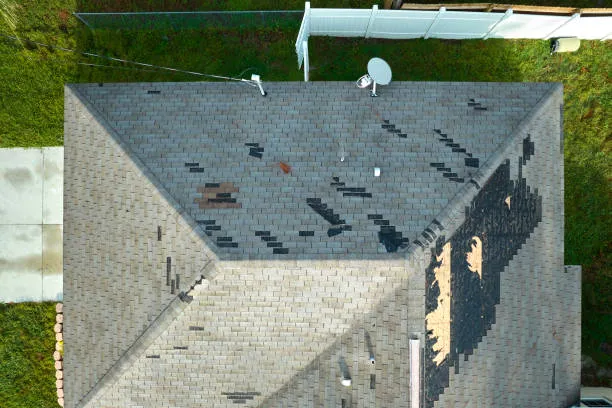
After a hail day, storm and hail damage repair starts on the slopes and the soft metals, because a brittle mat cracks where a young one would bruise. A roof inspection puts a condition record on an older house before a sale, and the 1960s and 1970s neighbourhoods here fall under residential roofing as a whole.
Between replacements, roof maintenance is what catches the failed sealant and the lifted cap before the next storm does. On a roof this old that visit is also how a homeowner builds a record of what has been patched, which matters when the deck finally needs to come out.
One more pattern is worth naming on housing this old. The first replacement on a 1970s roof usually corrects the deck and the metal; the second and third mostly add shingle. That is why a tear-off here often finds patched valleys and soft eave boards, and why the scope is written after the attic rather than before it.
The visit decides that, and it is the part of the job worth doing first.
Old roof, old deck, one honest answer
Why homeowners in Garland choose this crew
On a third-covering roof the expensive mistake is buying shingle for a deck that should have come out. The visit is built around that: the attic for staining and daylight, the valleys and the eave lines for soft boards, and the fascia behind the gutter for the rot that a wavy gutter line gives away.
Those findings go in writing with photographs before a scope is proposed. If the roof can take one more repair, that is the recommendation even though a replacement is the larger job; where the deck is wet, the scope names the area rather than the whole slope. The crew comes up from Plano on US 75, which keeps a second look at a valley practical.
On a street of identical houses the second opinion is easy to get, because the neighbour has already had the conversation and the roofs are the same age.
Why now, before another summer on a third roof
- A shingle that has been covered twice is brittle, and a brittle mat cracks under hail that a younger roof would shrug off. The next storm finds the difference.
- Dallas County's hail record runs March to June. A roof closed before the season is inspected rather than repaired in a queue. A third covering is also the point at which the deck is fully exposed, so any rot is found in one job rather than two.
- Water sits longer at the same seams on a low-pitch roof, and the deck under those seams softens before the ceiling shows it. That is a season, not a day.
- Fascia and soffit behind a gutter fail quietly. A replacement is when they can be dealt with as part of the roof rather than patched around.
- The city's permit record fixes the date of the work, which is the answer a buyer's inspector will ask for at resale. A permit record fixes the date of the work, which is the answer a buyer's inspector will ask for.
What a roof visit covers on a mid-century house
- The attic, for deck staining, daylight at penetrations and the state of the vent openings. The eave line, for soft fascia and for the first sign of a blocked soffit intake.
- The valleys and low-slope sections, where water sits longest.
- Step flashings at walls and chimneys, checked by hand rather than from the ground.
- Fascia and soffit behind the gutters, where soft wood shows as a wavy gutter line. The garage ceiling, which often shows the first stain from a valley above it.
- A written condition note with photographs, usable for a sale or a second opinion.
Frequently asked questions about roofing in Garland
Does a re-roof in Garland need a permit?
Re-roofing is permitted work in the city, and the requirements are published rather than left to practice. Confirm the current version for the address before the crew is booked, ask who pulls the permit, and keep the number with the house papers once it is issued. On a third-covering roof the record is also the date the work was done. Ask for the permit number once it is issued and keep it with the house papers.
How old is the housing stock here?
The median house was built in 1978 and 81.9% of the city’s 86,216 homes predate 2000, according to the Census Bureau’s 2024 five-year estimate, with 27.6% from the 1970s and 10.8% built before 1960. Almost half the city’s roofs sit on mid-century construction, and the decks are as old as the houses. That spread is why the decks are the variable, not the shingle, when a roof is opened.
How much hail does the county record?
NOAA’s Storm Events file records 196 hail reports in Dallas County between 2016 and 2025, on 64 days, with 23 reports of two-inch stones or larger across nine days and a county maximum of 4.0 inches. On a brittle roof the stone that matters is the one that lands on shingle that has already lost its flexibility.
Can a third-covering roof be repaired instead of replaced?
Sometimes. A valley, a boot or a flashing on a roof with sound shingle is a repair. On a 1970s house the shingle is usually brittle across the field, and a repair that opens the roof tends to find more than it was sent to fix. The deck condition is the honest dividing line.
Does a 30-year shingle last 30 years here?
The rating assumes maintained conditions. In North Texas the variables are ultraviolet light, summer heat and hail, and on a low-slope section the sun and the standing water work together. Granule loss in the gutter is the practical measure of what is left.
Which county is Garland in?
Garland sits in Dallas County with portions in Collin and Rockwall counties, and roof permits are issued by the city rather than by any of the three. The address decides which county file a record or a claim ends up in.
The permit and the inspection on a Garland roof
Garland issues residential roof permits through its own building department, and re-roofing is on the list of permitted work. The permit brings an inspection with it, which on older housing is where the deck and the flashings get a second look from someone other than the installer.
Ask which inspections apply and when they fall relative to the shingle going on. Keep the permit number with the house papers, and confirm the current requirement with the city rather than a contractor’s summary, because on a third-covering roof the scope can change once the old material is off.
For a homeowner the sequence is simple: ask who pulls it, keep the number, and confirm the current rule with the city.
Garland roofs, street by street
Next step: get a roof in Garland looked at
Call (214) 774-8818
Describe the leak and the decade the house was built.
Name the symptom
A ceiling stain, a wavy gutter line or granules in the gutter each point somewhere different.
Have roof and attic seen
Field shingle, valleys, flashings and the deck above the living space.
Get the findings written
What is worn, what is sound, and where the deck is soft.
Settle the permit question
The requirement and the inspection sequence are checked against the address.
Book the work
Roofing Repair Plano, 2715 Preston Meadow Dr, Plano, TX 75093.