
Roofing Company in Lucas, TX
Phone
(214) 774-8818
Acreage lots
Collin County
Wide roofs
and long ridges
On an acreage lot the roof is bigger than the house suggests
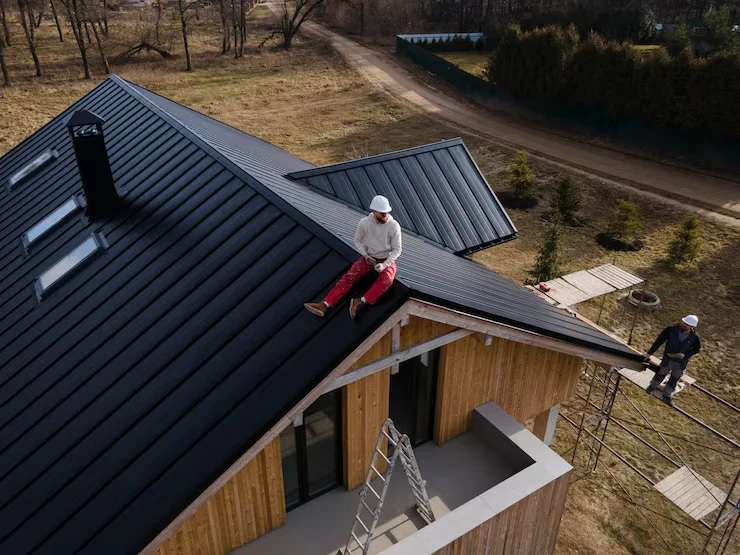
Lucas has 2,856 homes on lots that are measured in acres, and a house set back from the road usually carries more roof than its floor plan implies: long ridges, multiple hips, and garage wings that add planes on every side. The median house dates from 2005, so most of that roof stock is twenty years old and reaching its first replacement, which on a wide plan is a larger and slower job than the same house in a subdivision.
Homes in Lucas: the local picture
Lucas is a small acreage town of 2,856 homes with a median year built of 2005. 31.3% of the stock went up in the 2010s, 28.4% in the 2000s and 36.2% predates 2000, so the town mixes first-life roofs with a tail of older ranch houses on large lots.
Median year built 2005, spread across three decades
The Census Bureau’s 2024 five-year estimate puts the median year built at 2005, with 18.5% of homes from the 1990s and 28.4% from the 2000s. A roof from that window has shingle losing granule and boots cracking at the collar.
The practical difference is area. A wide, hipped roof has more ridge, more hip and more valley than a compact subdivision roof of the same floor area, and every one of those lines is a place where wind gets under an edge and water finds a seam. It also takes longer to tear off and longer to dry in, which is why an acreage replacement is scheduled rather than squeezed into a day.
On a wide plan the tear-off is also slower, because there is more ridge and hip to strip and more edge to detail before the new shingle can close.
Collin County hail on a large, exposed roof plane
NOAA’s Storm Events database records 310 hail reports in Collin County between 2016 and 2025, on 62 days, with 63 reports at two inches or larger across 17 days and a county maximum of 5.25 inches. A larger roof plane simply presents more target area, so the same storm that marks one slope on a small house can mark several on an acreage roof.
The season runs March to June with a second window in September, and reporting density rises with population, so the county count measures exposure rather than a schedule. On a twenty-year-old roof the useful check after a hail day is the soft metal and the ridge caps, because both show impact before a ceiling does.
The practical reading is that a stone which marks one plane here has several more planes to land on, and the ridge is where it shows first.
559 feet, and a long ridge that takes the sun all day
The USGS Elevation Point Query Service returns 559.5 feet at the Census Bureau’s point for Lucas. Elevation is not a factor at that height, but exposure is. The granule layer protects the asphalt from ultraviolet light, and the Asphalt Roofing Manufacturers Association describes granule loss as the mechanism by which prolonged UV exposure degrades the shingle.
A long east-west ridge on an open lot has no shade from neighbouring houses, so the sunward slope works harder than the same slope in a subdivision. That is why granule loss on an acreage roof tends to appear first along the ridge line and on the southern planes.
The ridge line is also where a lifted cap lets water in during a wind-driven rain, which is why it is checked by hand rather than from the ground.
Collin County, and a permit position that is not published
Lucas sits in Collin County, and roof permits are handled by the town rather than the county. The town’s published permit pages do not name roofing or re-roofing as a listed project, and its permit FAQ speaks about buildings rather than roof coverings, so the honest position is that the requirement is not published in a form that can be quoted here.
What is published is contractor registration: contractors register with the town annually, and plan submittals are refused unless every contractor on the job is registered. Before any roof work is scheduled, ask the town directly what it requires for the specific address, and ask the contractor for the registration number.
Because the answer has to come from the town, it is worth getting in writing before a crew is booked, so nobody is guessing on the morning of the job.
Roofing services in Lucas, TX
Work on an acreage house is mostly about area and access. A wide roof takes longer to strip, longer to dry in and longer to inspect, and the answer to the homeowner’s question is usually about how much of that roof is genuinely worn rather than how much of it exists.
A local failure — a valley, a boot, a step flashing — is a roof repair job, and on a 2000s house the question is whether the deck around it is still sound. Where the shingle has gone thin across whole planes, roof replacement is the honest answer, and the scope covers the decking, the underlayment and the metal the house actually has.
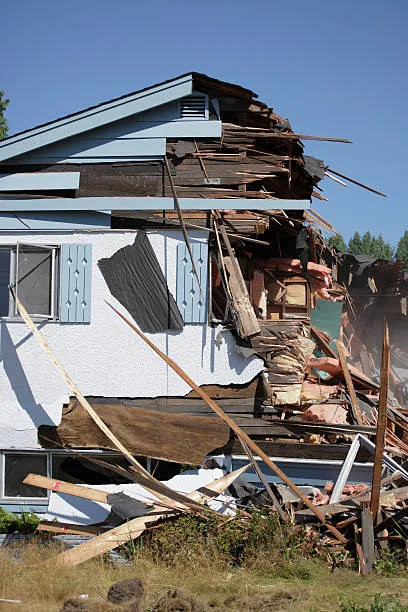
After a hail day, storm and hail damage repair starts with the soft metals and the ridge, because a large plane gives a stone more chances to land. A roof inspection puts a condition record on a house before a sale or a renewal, and the acreage properties here fall under residential roofing as a whole.
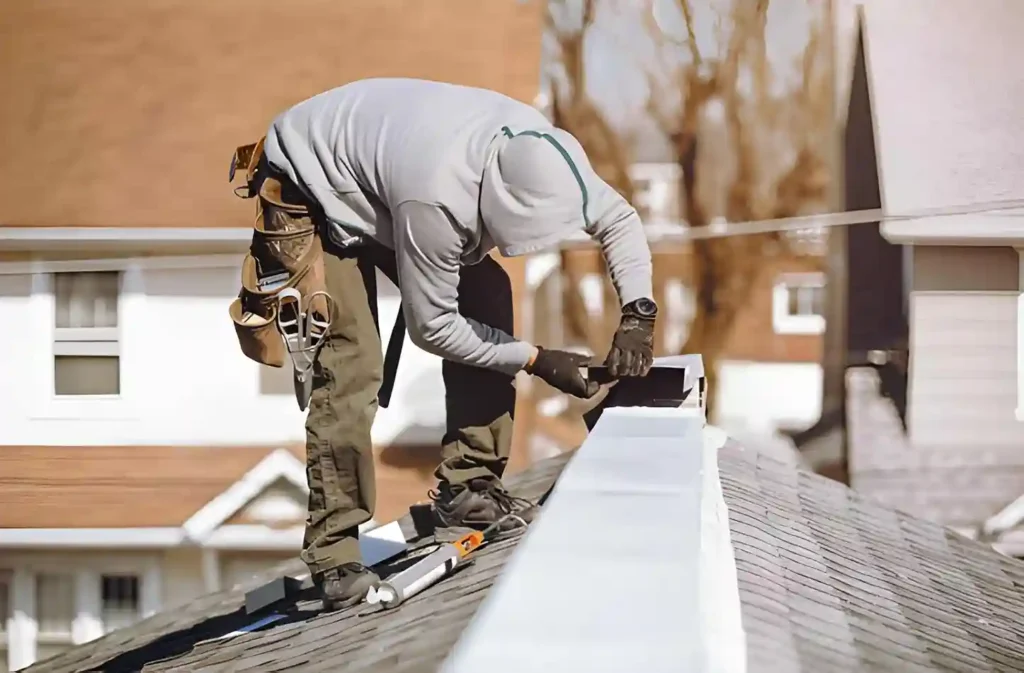
Between replacements, roof maintenance is what catches the lifted cap and the failed sealant before the next storm does. On a roof this size that visit is also how a homeowner keeps a record of which planes have been repaired and when.
On an acreage property there is also the question of what else shares the roof: a detached garage, a workshop or a covered porch often carries the same shingle and the same age, and replacing only the house leaves a mismatched plane in view of the main roof.
The visit decides which of those the roof actually needs, and that decision is written down before a scope is proposed.More roof, more to check
Why homeowners in Lucas choose this crew
On an acreage roof the expensive mistake is quoting from the driveway, because a wide, hipped plan hides its valleys and its back planes from the road. The visit walks the roof, checks the attic for staining and daylight, and reads the granule depth on the sunward planes before anything is proposed.
Those findings go in writing with photographs, plane by plane, so a homeowner can see which part of a large roof is worn and which is sound. If the repair is local, the recommendation is local, even though a full replacement is the larger job. The crew comes up from Plano, which keeps a second visit for a long ridge practical rather than a day out.
On a long ridge the difference between a walked roof and a driveway quote is measured in planes that never get seen.Why now, with the 2000s roofs at twenty years
- A roof from 2005 is old enough for granule loss and cracked boots to arrive together, and on a large plane the worn area is bigger than it looks from the ground.
- Collin County hail runs March to June. A roof closed in the cooler months is inspected before the season that fills the calendar. A roof this size also takes longer to schedule, so the quote does not translate into a start date in the same week.
- A wide roof takes longer to strip and dry in, so scheduling it before the spring queue is easier than scheduling it during one. That is a scheduling fact, not a sales one.
- Long ridges and open lots take the sun all day, and heat is what turns a young shingle old before its rating suggests. Granule loss along a ridge is the first thing an inspector will read on a large plane, so it is worth knowing before a sale.
- Matching a shingle profile that has been on a street for twenty years gets harder each year as lines are discontinued.
What a roof visit covers on an acreage house
- Every plane, including the ones that cannot be seen from the driveway.
- The attic, for deck staining, daylight at penetrations and the vent openings. The outbuildings, if they share the same shingle and age.
- Ridge caps and hip lines, where wind lifts an edge before the field shingle moves. It is checked by hand.
- Boots, flues and any outbuilding roof that shares the same shingle. The ridge line, checked by hand for lifted caps.
- A written condition note with photographs, usable for a sale or a second opinion.
Frequently asked questions about roofing in Lucas
Do I need a permit to re-roof a house in Lucas?
The town’s published permit pages do not name roofing or re-roofing as a listed project, and its permit FAQ speaks about buildings rather than roof coverings, so the requirement is not published in a form that can be quoted. Ask the town directly about the specific address before work is scheduled, and confirm it in writing.
How old is the housing stock here?
The median house was built in 2005, with 2,856 homes spread across the 2010s (31.3%), the 2000s (28.4%) and the 1990s (18.5%), according to the Census Bureau’s 2024 five-year estimate. Just over a third of the stock predates 2000, which is why some roofs here need a repair and others need replacing. A written quote should name the planes it covers, which matters when the roof has more than the four sides you can see from the road.
How much hail does the county record?
NOAA’s Storm Events file records 310 hail reports in Collin County between 2016 and 2025, on 62 days, with 63 reports at two inches or larger across 17 days and a county maximum of 5.25 inches. On a large roof plane the same storm has more chances to land. The written answer is also what a contractor can be held to later.
Why does a bigger roof cost more to replace?
Because there is more of everything: more shingle, more ridge, more hip and valley metal, and more time on the roof. A wide hipped plan also takes longer to dry in, which is why an acreage replacement is scheduled as a multi-day job rather than a single visit.
Does a 30-year shingle really last 30 years here?
The rating assumes maintained conditions. On an open lot the sunward planes take ultraviolet light and heat all day, and granule loss in the gutter is the practical measure of how much of the rating is left rather than the calendar.
Are contractors required to register with the town?
Yes. Contractors register with the town annually, and plan submittals are refused unless every contractor on the job is registered. Ask for the registration number before the crew arrives, and keep it with the permit paperwork for the address.

The permit question on a Lucas roof
Lucas does not publish a re-roofing requirement in a form that can be quoted here: the town’s permit pages do not name roofing or re-roofing as a listed project, and the permit FAQ speaks about buildings rather than roof coverings. That is not the same as saying no permit is needed, so the position has to come from the town rather than from a contractor’s memory.
What is published is registration: contractors register with the town annually, and plan submittals are refused unless every contractor on the job is registered. Before work is scheduled, ask the town what it requires for the address, ask the contractor for the registration number, and keep both answers with the house papers.
Because roofing is not a named project on the town’s published list, the answer for a specific lot is worth having in writing before the crew is booked.
Lucas roofs, street by street
Next step: get a roof in Lucas looked at
Call (214) 774-8818
Describe the leak and the year the house was built.
Say what the roof is doing
A stain, granules in the gutter or a lifted ridge cap each point somewhere different.
Have every plane seen
The roof is walked, not read from the driveway.
Get the findings written
Which planes are worn, which are sound, and where the deck is soft.
Settle the permit question
The town is asked about the address before work is booked.
Book the work
Roofing Repair Plano, 2715 Preston Meadow Dr, Plano, TX 75093.