Your roof protects your home from heavy rain, strong winds, hailstorms, and extreme Texas heat. But roofing problems rarely appear overnight. In most cases, your home gives warning signs long before serious structural damage happens.
The problem is that many homeowners ignore those early warning signs until small roofing issues become major repairs.
Understanding the most common signs your roof needs repair can help you protect your property, reduce repair costs, and avoid emergency roofing situations during severe North Texas weather.
Whether you live near Legacy West, Willow Bend, Downtown Plano, Spring Creek Parkway, or nearby areas like Frisco, Allen, McKinney, and Richardson, knowing what to look for can save thousands in future roofing damage.
In our experience working with Plano homeowners, delayed roof repairs are one of the biggest reasons minor leaks turn into expensive structural issues.
Why Signs Your Roof Needs Repair Should Never Be Ignored
Roof damage almost always gets worse over time.
A small leak or a few damaged shingles may not seem serious initially, but moisture can quickly spread beneath the roof surface and affect:
- Attic insulation
- Drywall
- Electrical systems
- Wooden framing
- Ceilings
- Interior paint
- HVAC efficiency
That’s why fast roof inspections and timely repairs matter.
Many homeowners searching for roof repair Plano TX services discover their problems started months earlier with warning signs they didn’t recognize.
Missing or Damaged Shingles
One of the clearest signs of roof damage is missing shingles.
Plano storms, hail, and strong wind gusts can loosen or completely remove shingles from your roof.
Common Signs of Shingle Damage
- Curled shingles
- Cracked shingles
- Bald spots from granule loss
- Loose shingles
- Dark patches on the roof
- Shingles found in the yard after storms
Damaged shingles expose your roof to moisture and UV damage, increasing the risk of leaks and structural deterioration.
In many Plano neighborhoods, storm-related shingle damage becomes more common during spring and summer weather seasons.
Water Stains on Ceilings or Walls
Brown ceiling stains are one of the most common signs your roof needs immediate repair.
Water entering through damaged roofing materials often spreads slowly before becoming visible indoors.
Warning Signs of Roof Leaks
- Brown ceiling spots
- Peeling paint
- Bubbling drywall
- Mold growth
- Damp attic insulation
- Water dripping during storms
If you notice any of these issues, professional roof leak inspections should happen quickly before the damage spreads further.
For homeowners dealing with active leaks, our emergency roofing repair services at
https://roofingrepairplano.com/emergency-roof-repair-plano-tx/ can help prevent additional water damage.
Sagging Roof Areas
A sagging roof is a serious structural warning sign.
This usually happens when trapped moisture weakens the roof decking or support structure underneath.
Common Causes of Roof Sagging
- Water damage
- Rotting wood
- Structural aging
- Poor roof installation
- Excessive roof weight
Sagging roofs should always be inspected immediately by experienced roofing contractors.
Ignoring structural roofing problems can eventually lead to partial roof collapse.
Granules in Gutters
Asphalt shingles naturally lose granules over time, but excessive granule loss often means your roof is aging or deteriorating.
You may notice:
- Black debris in gutters
- Granules near downspouts
- Uneven roof coloring
- Increased shingle wear
Granule loss reduces your roof’s ability to protect against UV rays and harsh Texas weather conditions.
Higher Energy Bills
Roof damage can impact your home’s ventilation and insulation performance.
Many Plano homeowners notice rising cooling bills before realizing roofing problems are allowing heat and moisture into the attic.
Roofing Issues That Affect Energy Efficiency
- Damaged ventilation systems
- Roof leaks
- Poor attic airflow
- Missing shingles
- Moisture-damaged insulation
During Plano summers, damaged roofing materials can force HVAC systems to work much harder than necessary.
Mold or Mildew Growth
Moisture trapped beneath roofing materials can eventually lead to mold growth.
Signs of Hidden Moisture Problems
- Musty odors
- Mold near ceilings
- Mildew in attic spaces
- Excess indoor humidity
- Dark stains near vents
Mold problems caused by roofing leaks can eventually affect indoor air quality and create expensive remediation costs.
Flashing Damage Around Roof Openings
Roof flashing protects vulnerable areas around:
- Chimneys
- Skylights
- Roof vents
- Valleys
- Wall connections
Damaged flashing is one of the leading causes of roof leaks in older Plano homes.
Signs of Flashing Problems
- Rusted metal flashing
- Cracked sealant
- Loose flashing pieces
- Water stains near chimneys
- Visible roof gaps
Routine roof inspections help identify flashing problems before major leaks develop.
Storm Damage After Severe Weather
North Texas weather is especially hard on roofing systems.
After hailstorms or heavy winds, homeowners should always inspect for visible damage.
Common Storm Damage Signs
- Missing shingles
- Denting from hail
- Loose flashing
- Tree limb damage
- Roof punctures
- Gutter damage
Even if leaks aren’t immediately visible, hidden storm damage can shorten roof lifespan significantly.
According to the National Weather Service, North Texas frequently experiences severe hail and damaging wind events during storm season.
Roof Age and Wear
Older roofs naturally become more vulnerable to leaks and storm damage over time.
Average Roof Lifespans
| Roofing Material | Average Lifespan |
| Asphalt shingles | 15–30 years |
| Architectural shingles | 25–35 years |
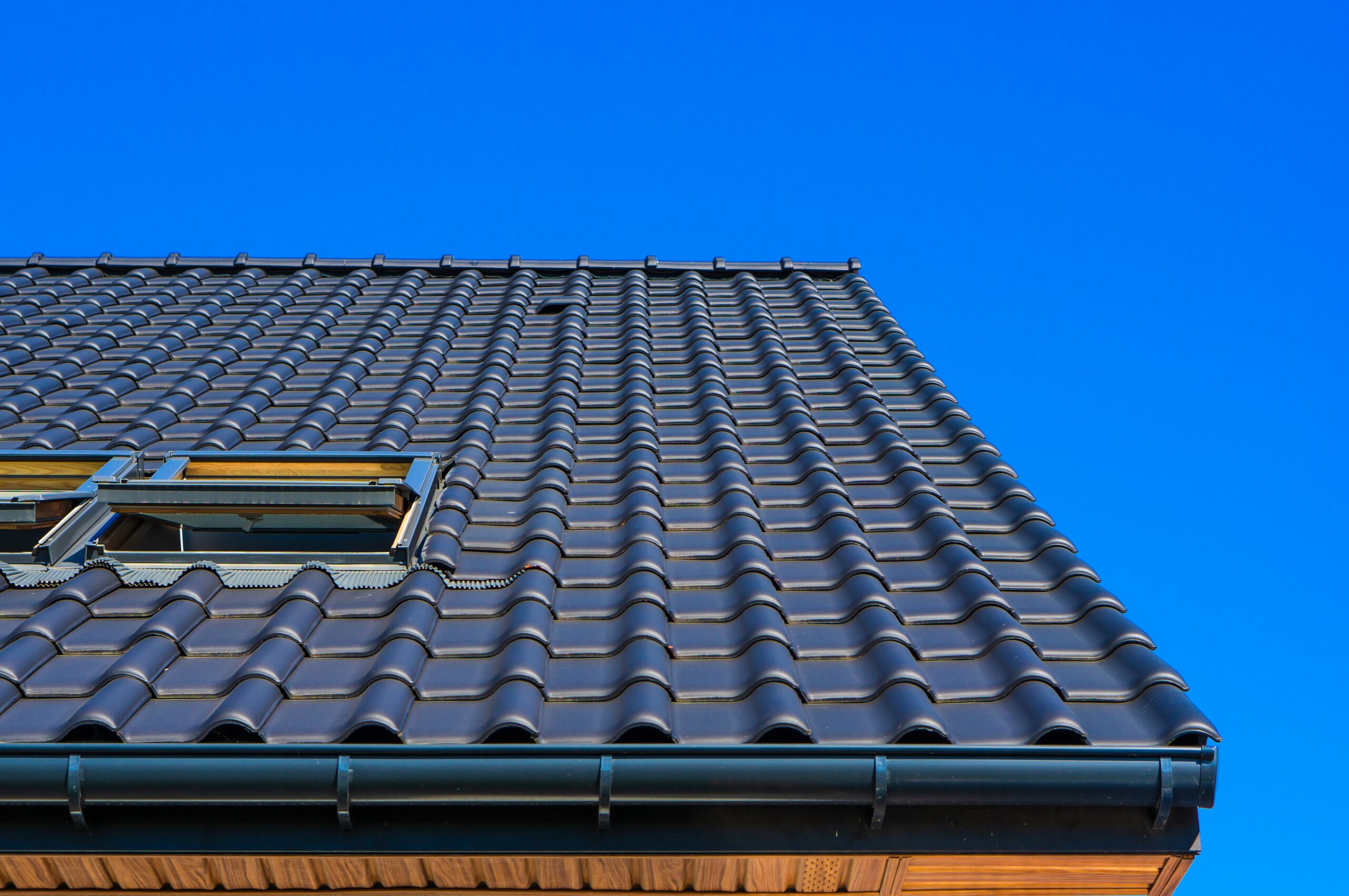
| Metal roofing | 40–70 years |
| Tile roofing | 50+ years |
If your roof is over 15–20 years old and showing visible wear, repairs or replacement may become necessary soon.
When Roof Repair Becomes an Emergency
Some roofing problems require immediate professional attention.
Call Emergency Roofers If:
- Water is actively entering your home
- Large roof sections are missing
- Tree limbs damaged the structure
- Severe sagging appears
- Interior ceilings begin collapsing
- Storm damage exposed decking
Fast action helps reduce repair costs and protects your property from additional water damage.
Homeowners needing fast inspections can also learn more about our complete
https://roofingrepairplano.com/roof-repair-plano-tx/ roofing repair services.
How Professional Roof Inspections Help
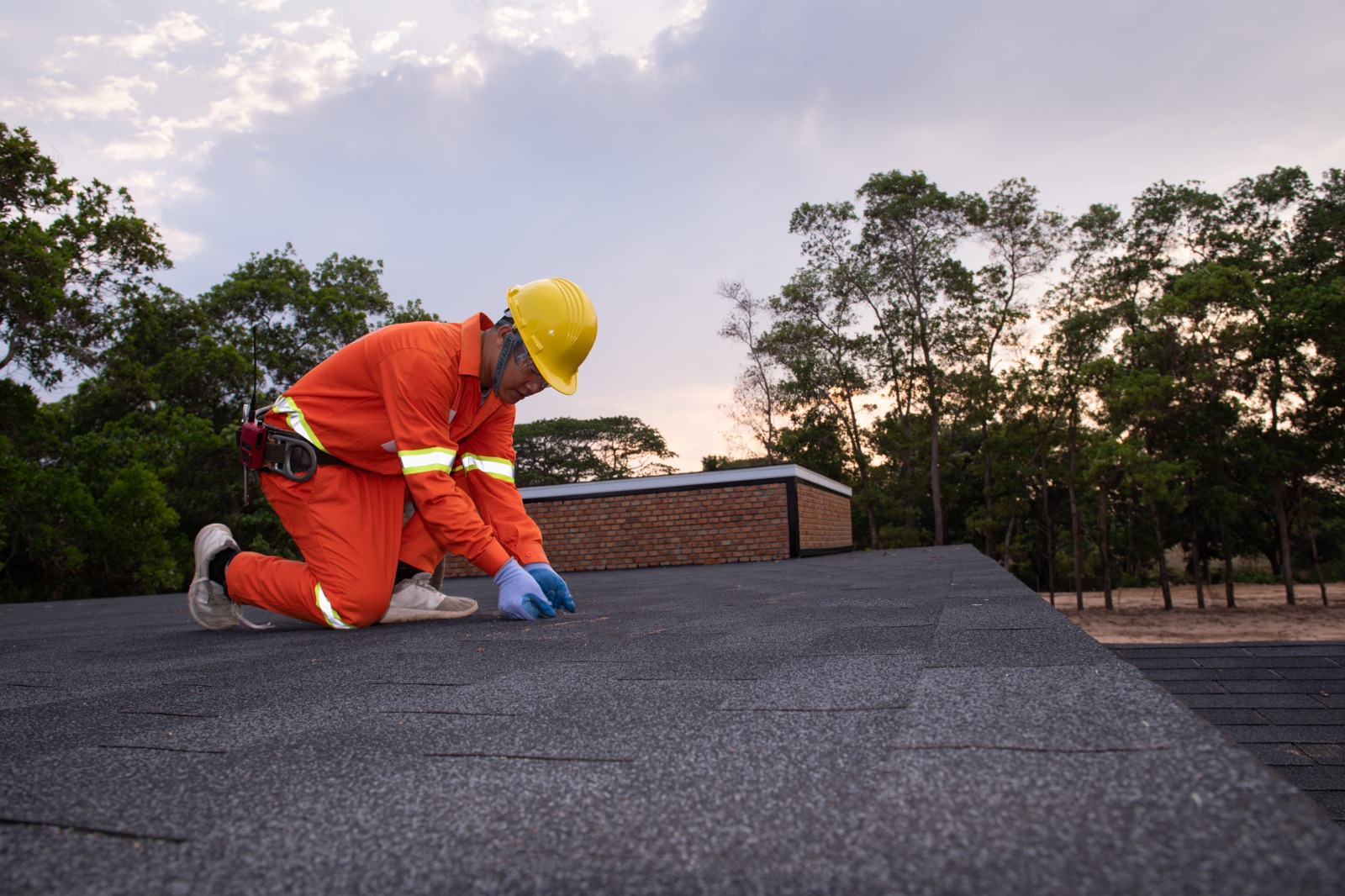
Professional inspections often identify roofing issues homeowners can’t safely see from the ground.
Experienced roofing contractors inspect:
- Shingles
- Flashing
- Roof decking
- Ventilation systems
- Gutters
- Leak entry points
- Structural integrity
Early inspections help prevent emergency repairs later.
How to Prevent Major Roof Damage
Preventive maintenance can help extend roof lifespan significantly.
Roof Maintenance Tips
- Schedule annual inspections
- Clean gutters regularly
- Trim nearby trees
- Address leaks quickly
- Replace damaged shingles early
- Inspect roofs after storms
Routine maintenance costs far less than major structural repairs or full roof replacements.
For homeowners considering larger roofing upgrades, our roof installation services at
https://roofingrepairplano.com/roof-installation-plano-tx/ explain the complete replacement process.
Areas We Serve Around Plano TX
We help homeowners throughout:
- Plano
- Frisco
- Allen
- McKinney
- Richardson
- Murphy
- Carrollton
- Parker
- The Colony
Including neighborhoods like:
- Legacy West
- Willow Bend
- Deerfield
- Downtown Plano
- Spring Creek Parkway
FAQs About Signs Your Roof Needs Repair
What are the first signs your roof needs repair?
The most common early signs include missing shingles, ceiling stains, roof leaks, granule loss, sagging areas, and rising energy bills.
Can small roof leaks become serious?
Yes. Small leaks often spread behind walls and ceilings, eventually causing mold growth, wood rot, and structural damage.
Should I inspect my roof after every storm?
Yes. North Texas storms can cause hidden hail and wind damage even when leaks aren’t immediately visible.
How often should roofs be inspected?
Most roofing professionals recommend annual inspections and additional inspections after major storms.
When should I replace my roof instead of repairing it?
If the roof is older, has widespread damage, or requires constant repairs, replacement may become more cost-effective long term.
Conclusion
Most roofing emergencies begin with small warning signs that homeowners overlook.
Missing shingles, ceiling stains, flashing damage, sagging areas, and storm damage can all signal serious roofing problems developing beneath the surface.
Understanding the early signs your roof needs repair helps protect your home, reduce repair costs, and prevent larger structural issues later.
If your roof is showing visible damage or your home has experienced recent storm activity, scheduling a professional inspection early can help avoid expensive repairs down the road.