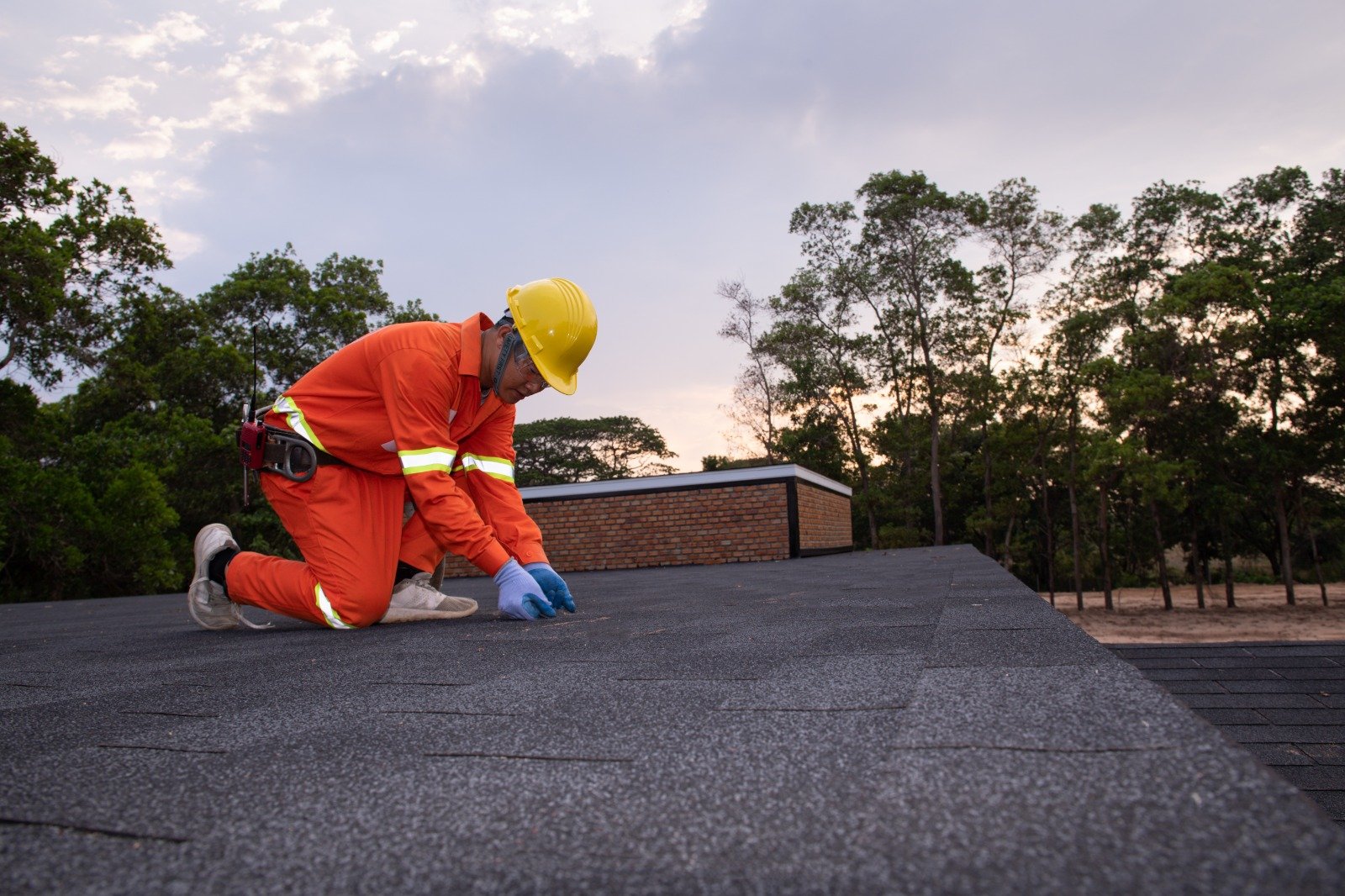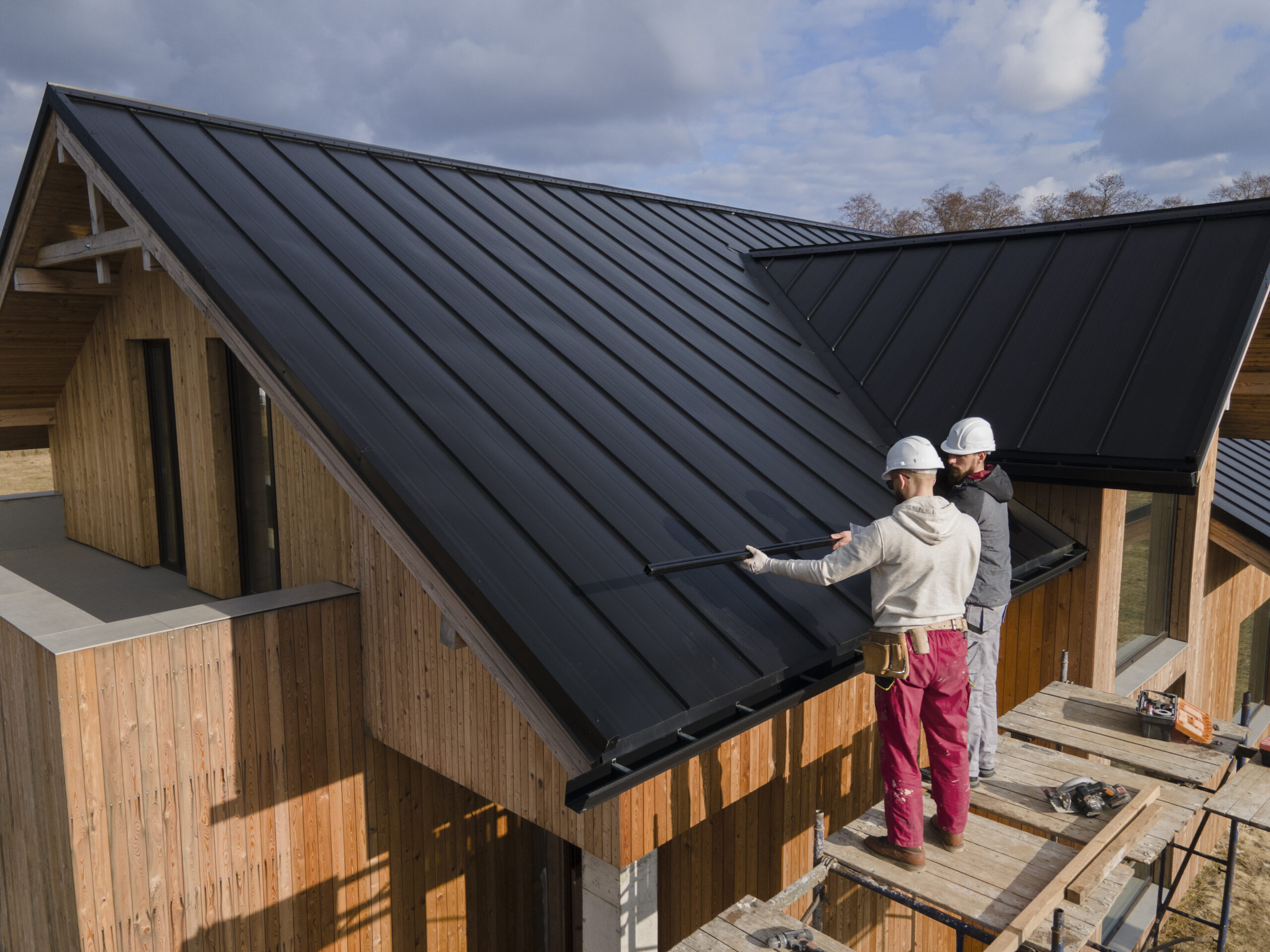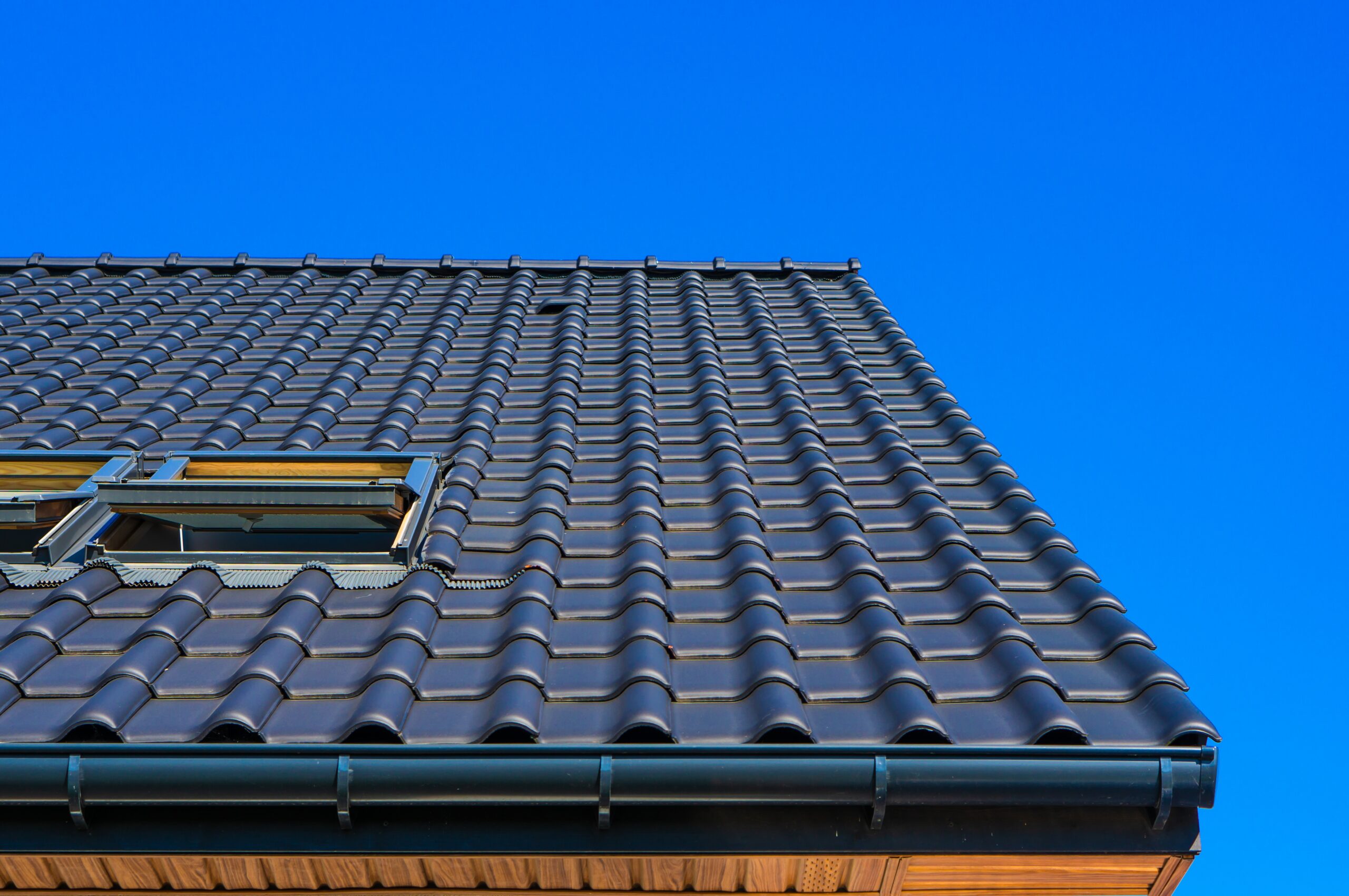
Solar panels on a roof are meant to stay put for a long time. The roof under them is not always ready for that. If the shingles will need replacing a few years after the panels go up, the whole array has to come off and go back on, and that work and its cost land on you.
This guide explains why federal energy guidance says to replace a roof that needs work before installing solar panels on roof surfaces, how to judge whether your roof is ready, and what has changed with the federal solar tax credit. It quotes ENERGY STAR, the Department of Energy and the IRS, and it gives no prices.
Should you replace your roof before installing solar panels?
If your roof needs work, replace it before the solar panels go on. ENERGY STAR says that when a roof needs renovations, it makes sense to replace it first, so the panels do not have to be removed and reinstalled later. A roof with plenty of life left may not need replacing. The order is what matters.
The reasoning is simple. Panels, racking and wiring sit on top of the shingles and are fastened through them. Any roof replacement under an existing array means the array comes off first, the roof is replaced, and the array goes back on. That sequence adds a second trade, a second schedule and more penetrations to reseal.
The ENERGY STAR rooftop solar guide adds two practical steps. Tell your roofing company that solar is planned. Then ask whether it will come back after the panels are installed to confirm they have not damaged the roof.
The Department of Energy makes the same point in its homeowner’s guide to solar. It says you should consider the age of your roof and how long it will be until it needs replacing. It also notes that some rooftops may not suit solar because of their age or tree cover.
If removal does become necessary later, our guide to removing solar panels for a re-roof covers who does what and in what order.
How do you know if your roof is ready for solar panels?
A roof is ready for solar when it is sound, has years of service left, and has no leaks, soft decking or damaged flashing. The way to know is an inspection before the solar contract is signed. Neither ENERGY STAR nor the Department of Energy sets a roof-age cutoff, so judge the roof’s condition, not a number.
Points worth asking a roofer to check and put in writing:
- Shingle condition. Hail bruising, granule loss, cracking or curling across the planes where panels would sit.
- Decking. Soft or rotted areas, which matter more once panels are fastened through them.
- Flashing. Walls, chimneys, vents and valleys near the planned array.
- Past repairs. Patched areas under the future array are hard to reach later.
- Remaining service. A frank view of how long the roof is likely to perform, based on what the roofer sees.
Hail history is part of this picture in the Plano area. The NOAA Storm Events Database records 310 hail reports on 62 separate days in the area between 2016 and 2025. A roof that has been through several of those seasons deserves a careful look before anything is mounted on it.
ENERGY STAR also tells homeowners to ask each solar provider directly whether the home needs a new roof, updated wiring or tree clearing. Ask the roofer and the solar provider separately and compare their answers.
What are the downsides of having solar panels on your roof?
The main roof-related downsides are that panels hide the roof from view, add penetrations through it, and must come off before the roof can be replaced. Warranty responsibility can also split between the roofer and the solar installer. None of these rule solar out. They are reasons to plan the roof and the array together.
| Downside | Why it matters for the roof |
|---|---|
| Panels hide the shingles | Damage under the array is harder to spot |
| Mounting penetrations | Each attachment is a point that must stay sealed |
| Removal for a re-roof | The array comes off and goes back on, adding cost and scheduling |
| Split responsibility | A leak at a mount can raise the question of whose warranty applies |
| Shingle warranty terms | Some shingle warranties exclude solar removal costs |
That last point is worth reading closely. The Owens Corning Platinum Protection limited lifetime warranty states that it will not compensate for the removal and replacement of solar panels or other rooftop equipment. Even a strong shingle warranty may not pay to move the array if the roof under it fails.
ENERGY STAR’s list of questions for solar providers includes what the warranty covers and who is responsible for maintenance. Add a roof question to that list: who is responsible for a leak at a panel mount?
Is putting solar panels on your roof a good idea?
Putting solar panels on your roof can be a good idea when the roof is sound, faces enough sun, and you understand the costs and terms. ENERGY STAR and the Department of Energy both stress the roof’s condition, direction, slope and shade. Whether the numbers work for you depends on your usage, your utility and your contract.
The Department of Energy says solar panels typically perform best on south-facing roofs with a slope between 15 and 40 degrees, though other roofs may be suitable. Trees that shade the roof can make rooftop panels a poor choice.
ENERGY STAR points to two free tools for a first look: Google Project Sunroof, which analyzes the roof’s shape from imagery, and NREL’s PVWatts calculator. It also recommends knowing your electricity use and rates, and checking local rules, down to whether a homeowners association has guidelines.
On buying versus leasing, ENERGY STAR notes that a buyer is responsible for maintenance and is entitled to available tax credits or incentives, while under a lease the solar company owns and maintains the system. It also says to ask, before signing a lease, what your options are if you sell the property. That matters for the roof too, because a future re-roof under a leased array needs the owner’s involvement.
Why can it be harder to sell a house with solar panels?
Selling can be harder when the panels are leased or financed, because the buyer must take over or settle the agreement. Roof condition under the panels also raises questions a buyer cannot easily answer. Owned panels on a newer roof, with clear paperwork, are a simpler story. Leased panels on an older roof are the hardest one.
ENERGY STAR cites a Zillow estimate that homes with solar panels sell for 4.1% more than homes without. That is an average, not a promise for any one house, and it says nothing about lease terms or roof age.
What a buyer’s inspector will want to know:
- Are the panels owned, leased or financed?
- How old is the roof under them, and is there paperwork?
- Has the roof been replaced since the panels went up?
- Who warrants the panels and the roof penetrations?
A roof replaced before the array was installed answers most of those questions cleanly. A roof that is near the end of its service under a leased array raises all of them at once.
What happened to the federal solar tax credit?
The federal Residential Clean Energy Credit has ended for new systems. The IRS says the credit equals 30% of the cost of qualified clean energy property installed from 2022 through December 31, 2025, and is not available for property placed in service after that date. A system installed in 2026 does not qualify.
The IRS Residential Clean Energy Credit page also explains how roofing was treated while the credit applied. Traditional building components that primarily serve a roofing or structural function generally did not qualify. Its example is that roof trusses and traditional shingles that support solar panels did not qualify, while solar roofing tiles and solar shingles did.
So a regular roof replacement before solar was never part of that credit, even when the credit was available. Whether a new roof affects your taxes in other ways is a separate question, covered in our guide is a new roof tax deductible. For anything about your own return, talk to a tax professional.
Who should you hire first, the roofer or the solar installer?
Hire the roofer first. Get an inspection and, if needed, a replacement completed before the solar installer finalizes the layout. Then tell both companies about each other. The roofer should know where the array will go, and the solar installer should know the roof’s make, warranty terms and installation date.
A sensible order of work:
- Roof inspection. A written condition report before any solar contract.
- Roof decision. Replace, repair or proceed as is, based on that report.
- Solar design. The installer designs the array for the roof as it now stands.
- Warranty check. Ask both companies how the mounts affect the roof warranty.
- Installation. Panels go on after the roof work is finished and inspected.
- Follow-up. Ask the roofer to check the roof after the panels are installed, as ENERGY STAR suggests.
Plano’s adopted residential code, Ordinance 2025-6-15, requires contractors who obtain permits to be registered with the city, and requires electrical contractors to provide proof of the required State of Texas licenses. Solar wiring is electrical work, so ask the solar company who holds that license for your job.
If your roof needs replacing before solar goes on, Roofing Repair Plano handles roof replacement and can coordinate timing with your solar installer. Our re-roof planning guide covers the other decisions to make along the way.
What paperwork should you keep for the roof and the solar array?
Keep the roof and solar records together, because each company will ask for the other’s details later. That means the roof contract, shingle warranty and installation date, plus the solar contract or lease, the panel and inverter warranties, the mounting layout and the permits. One folder saves time at every future repair or sale.
A practical list:
- Roof contract, invoice and the shingle warranty by its exact name.
- Any warranty registration confirmation for the roof.
- Solar contract or lease, including what happens if you sell.
- Panel and inverter warranty documents.
- A drawing or photos showing where the mounts sit on the roof.
- Permit and inspection records for both jobs.
ENERGY STAR notes that string inverters typically carry a 10-year warranty, micro-inverters up to 25 years, and solar panels usually a 20-year warranty. Those are warranty terms, not promises about how long the equipment lasts, and your own documents decide.
Frequently asked questions
Should I replace my roof before installing solar panels?
If the roof needs work, yes. ENERGY STAR says it makes sense to replace a roof that needs renovations before installing solar panels, so they do not have to be removed and reinstalled later. If the roof is sound with plenty of service left, an inspection report can confirm that before you sign a solar contract.
What are the downsides to having solar panels on your roof?
Panels hide the roof, add penetrations that must stay sealed, and must be removed before a re-roof. Responsibility for leaks at the mounts can be unclear between roofer and solar installer. Some shingle warranties, such as the Owens Corning Platinum Protection terms, exclude compensation for removing and replacing solar panels.
Is putting solar panels on your roof a good idea?
It can be, when the roof is sound and gets enough sun. The Department of Energy says panels typically perform best on south-facing roofs sloped between 15 and 40 degrees. Shade, roof age, your electricity use and your contract terms all matter. Start with a roof inspection and compare several solar quotes.
Why is it hard to sell a house with solar panels?
Leased or financed panels must be taken over or settled by the buyer, and an older roof under the array raises questions about a future re-roof. Owned panels on a newer roof with clear paperwork are simpler. ENERGY STAR advises asking about your options if you sell before signing a lease.
Is there still a federal tax credit for rooftop solar?
Not for new systems. The IRS says the Residential Clean Energy Credit is not available for property placed in service after December 31, 2025. Even while it applied, traditional shingles and roof trusses supporting panels did not qualify, though solar shingles did. Ask a tax professional about your own situation.