The types of metal roofing on offer to a Plano homeowner go well beyond the ribbed barn panel many people picture. Residential metal now comes as long vertical panels, interlocking shingles, slate and tile profiles, and stone-coated steel that looks a lot like asphalt from the street.
This guide explains each type, how it is fastened, which metals it is made from, and what that means for hail, heat and upkeep in North Texas. It sticks to what the metal roofing trade bodies, fastener makers and testing standards publish. There are no prices and no lifespans a source does not state.
What are the main types of metal roofing for homes?
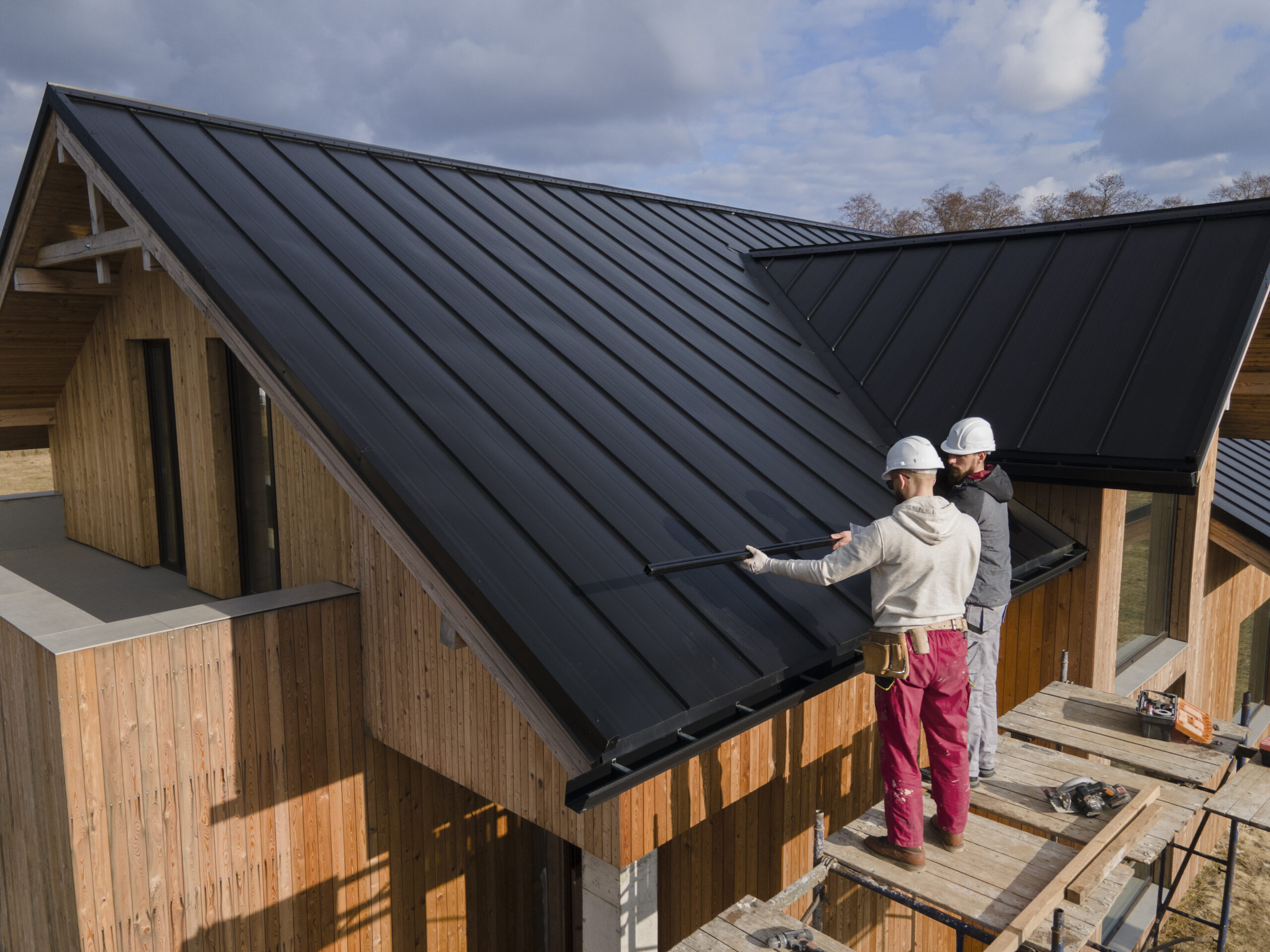
Residential metal roofing falls into two broad groups. Vertical panels run from ridge to eave and come as standing seam, with hidden fasteners, or exposed-fastener panels screwed through the face. Modular products are smaller units shaped as shingles, slate, tile or shake, and some carry a stone-coated granule surface.
The Metal Roofing Alliance (MRA) lists the residential styles: vertical or standing seam panels, metal shingles, metal slate, metal tile, metal shake and custom profiles. It says a metal shingle can look just like asphalt and can be ordered stone-coated, using the same type of granules as asphalt shingles. It also notes a stone-coated steel tile is available.
| Type | Shape on the roof | How it is attached | Typical look |
|---|---|---|---|
| Standing seam panel | Long vertical panels with raised seams | Hidden clips or fastening flanges | Clean, modern ribs |
| Exposed-fastener panel | Corrugated or ribbed sheets | Screws through the panel face | Agricultural or industrial |
| Metal shingle | Small interlocking units | Interlocking, fastened under the next row | Asphalt shingle |
| Metal slate, tile or shake | Shaped interlocking units | Interlocking | Slate, clay tile or wood shake |
| Stone-coated steel | Shingle, tile or shake units | Interlocking, granule surface | Textured shingle or tile |
The sections below take each group in turn.
How do standing seam and exposed-fastener panels differ?
Standing seam panels are held down by clips hidden under raised seams, so no screws pierce the visible surface. Exposed-fastener panels are screwed straight through the face of the metal, usually with sealing washers. That one difference drives most of the trade-offs in cost, upkeep, slope limits and appearance.
The Metal Construction Association (MCA) describes both on its steep slope roofing page. Standing seam systems are fastened with hidden clips or fastening flanges. Corrugated or tile-facsimile panels are attached with exposed fasteners directly through the panels, and they overlap or interlock at the sides and ends for a watertight fit.
SFS, a fastener manufacturer, sets out the trade-offs in its guide to exposed and concealed roofing fasteners. Exposed-fastener systems are the least expensive option and easier to repair, but more prone to leaks and need more maintenance. SFS says they cannot be installed on a roof below 3:12 pitch. Standing seam suits slopes below 3:12, has a lower risk of corrosion damage and needs less maintenance, but it is the most expensive option and harder to repair.
The standing seam vs exposed-fastener guide goes into screws, seams and upkeep in detail.
What are metal shingles, slate, tile and shake?
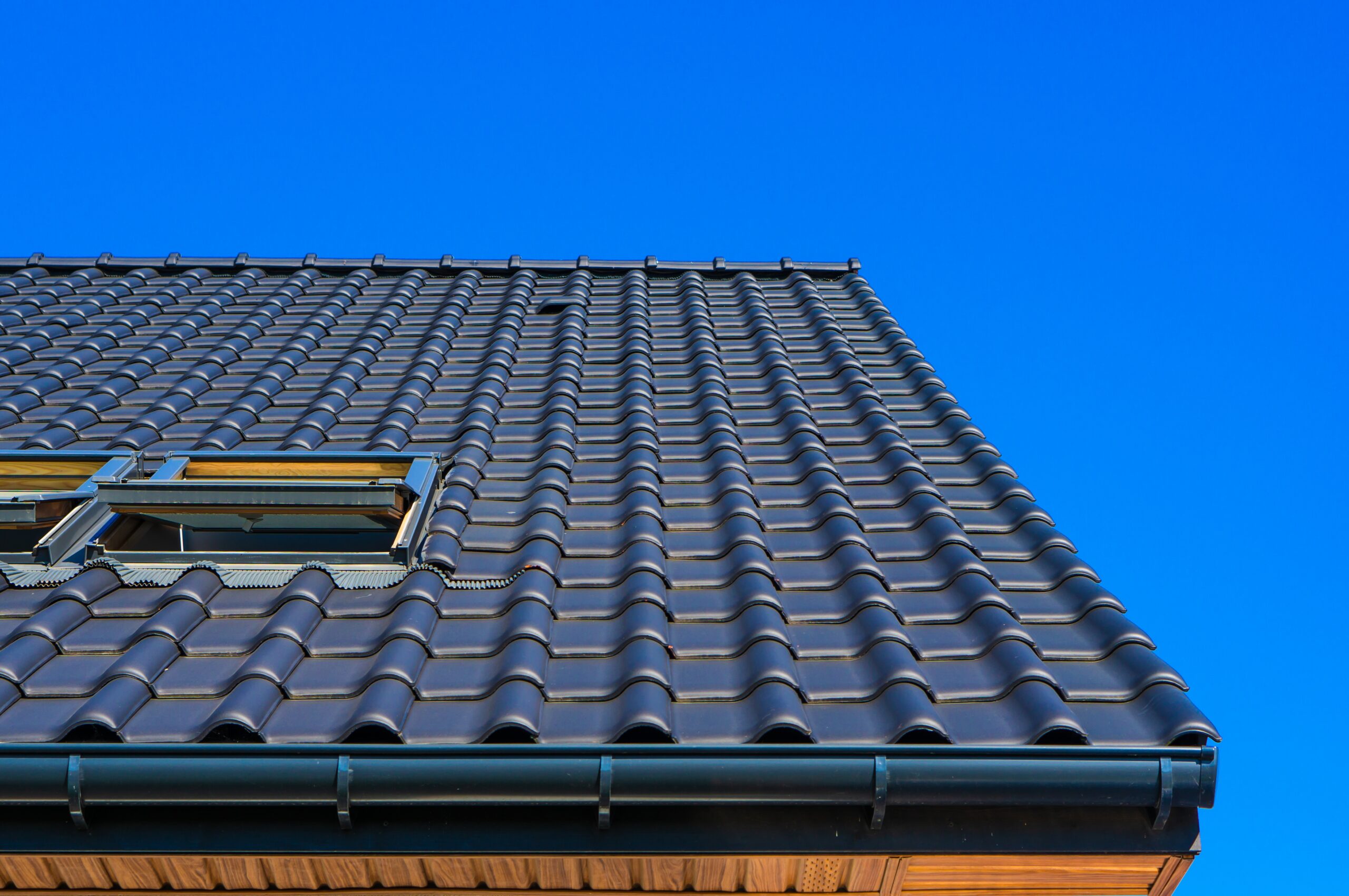
Metal shingles, slate, tile and shake are modular products: small pressed metal units that interlock to mimic another roofing material. They give a traditional look with a metal surface. The MRA says metal tile has the curves of classic tile with the lightness of metal, and metal shake offers a wood look in metal.
Each profile copies a familiar material, according to the MRA’s styles page:
- Metal shingles can look just like asphalt and can come stone-coated.
- Metal slate panels closely mimic smooth, uniform slate tiles.
- Metal tile imitates clay or concrete tile, and the MRA notes those traditional tiles can be heavy and fragile. A stone-coated steel tile is available.
- Metal shake imitates wooden shake with more colour choice.
These units suit homeowners who want metal’s surface without the look of vertical panels. That matters in neighbourhoods where a homeowners association restricts the appearance of roofs, so check your HOA’s rules before choosing.
The MCA notes that architectural metal roofs, unlike structural ones, always require a solid substrate beneath them, typically plywood, oriented strand board, concrete or a metal deck. Ask what deck your chosen product needs and whether the existing one is sound enough to carry it.
What metals are roofing panels made from?
Most residential metal roofing is steel with a protective metallic coating. Aluminum is lighter and more resistant to corrosion. Copper and zinc are premium natural metals that develop a protective patina with age. The MRA says steel is the most common choice and typically the most affordable, and all steel roofing carries a metallic coating against rust.
The MRA’s materials page lists the options:
| Metal | What the MRA says about it |
|---|---|
| Steel (galvanized, Galvalume, zinc-aluminum-magnesium) | Most common; high strength, low weight, long-term durability; typically most affordable; metallic coating against rust |
| Aluminum | Lighter than steel; increased corrosion resistance; suits coastal homes |
| Copper and zinc | High corrosion resistance; protective patina with age |
| Anodized aluminum | Not a coating, so will not chip, flake or peel |
Steel is what most North Texas homes would see quoted. Coastal corrosion, aluminum’s main selling point, is not a Plano concern.
The MCA’s steep slope page adds that almost all metal roof products are protected by high-performance coatings, and that copper and zinc are often left unfinished because of their natural patina.
Which type of metal roof is the strongest?
There is no single “strongest” metal roof. Strength depends on the metal, its thickness, the panel profile and how it is fastened. The MRA says steel is the most common metal because of its high strength, and that most metal roofing earns a UL 2218 Class 4 impact rating, the highest class in that test.
The MRA’s hail page says a Class 4 rating means a product sample did not crack when hit twice in the same spot by a 2-inch steel ball. It also says hail will typically not penetrate a metal roof, while admitting all roof types can take some cosmetic damage in severe storms.
UL’s own scope for standard 2218 adds a caution. It says there is no established direct correlation between performance against hailstones and against the test’s steel balls. A Class 4 label is evidence, not a guarantee.
Hail is a real test here. According to the NOAA National Centers for Environmental Information Storm Events Database, the Plano area logged 310 hail reports on 62 separate days between 2016 and 2025, with hail of 2 inches or larger on 17 of those days. The counts come from the raw Storm Events data files and record reports, not every storm.
For wind, the MCA says metal roof systems are designed to meet ASTM E1592, UL 580, UL 1897 and other severe wind and uplift tests. Ask which tests your exact product has passed.
What is the biggest problem with metal roofs?
The common problems are upfront cost, visible waviness in flat panel areas, cosmetic dents from large hail, and, on exposed-fastener panels, screws and washers that need checking over time. The MRA says metal typically costs two to three times as much as asphalt shingles. Each type carries a different mix of these problems.
Waviness is called oil canning. The MCA’s oil canning bulletin defines it as visible waviness in the flat areas of metal panels. It says no manufacturer, fabricator or installer can assure total prevention, though careful material choice, panel design and installation can reduce it. The bulletin notes the waviness may be most visible under certain lighting.
Exposed screws are the main upkeep issue. SFS lists more required maintenance and a larger risk of corrosion from rusting fasteners among the downsides of exposed-fastener systems. Any check of fasteners on the roof is work for a professional, not a homeowner on a ladder.
Cost comes from the MRA’s own FAQ. It adds that roof shape and pitch influence the estimate more than the style of metal chosen.
For a fuller comparison with asphalt, the metal roof vs shingles guide weighs the trade-offs on hail, heat and upkeep.
How do insurance companies view metal roofs?
Insurers differ, and only your policy and insurer can say how a metal roof affects your coverage or premium. The MRA says many insurance companies offer discounts for impact-resistant metal roofs. Ask your insurer how it treats cosmetic denting, because a dent that does not leak may be handled differently from one that does.
The MRA makes the discount point on its hail page. That is the industry’s description, not a promise from any insurer.
Two questions to put to your insurer before choosing:
- Does a UL 2218 Class 4 roof change the premium on my policy?
- How does my policy treat cosmetic hail damage to a metal roof?
Get the answers in writing if they will influence your decision.
How do you choose the right type of metal roof?
Start with the roof’s slope and the look you want. Low-slope sections suit standing seam. Steep roofs can take any type. Then weigh upkeep, since exposed fasteners need checking, and confirm the metal, its coating, its impact class and its wind tests. The installer’s experience with that exact system matters as much as the product.
A practical order of questions:
- What slope is each section? SFS says exposed-fastener panels cannot go below 3:12 pitch.
- What look does the house and HOA allow? Vertical panels or a shingle, slate or tile profile.
- Exposed or concealed fasteners? This decides much of the long-term upkeep.
- Which metal and coating? For most homes, coated steel.
- What impact and wind evidence? Ask for the UL 2218 class and wind tests.
- Who installs it? The MRA’s FAQ says installation should be done by a professional with experience in the chosen style.
In Plano, a reroof is done under the city’s adopted building code. Ordinance No. 2025-6-15 adopted the 2024 International Residential Code with local amendments.
For metal alongside shingles and flat roofs, see the guide to roofing materials for Plano homes. If you want a specific metal system priced for your house, Roofing Repair Plano handles that through our metal roofing service.
Frequently asked questions
What are the different types of metal sheet roofing?
The main sheet types are standing seam panels, fastened with hidden clips under raised seams, and exposed-fastener panels such as corrugated or ribbed sheets screwed through the face. Beyond sheets, metal also comes as shingles, slate, tile and shake profiles, some with a stone-coated granule surface. Steel is the most common metal.
Which type of metal roof is the strongest?
No single type is strongest in every way. Strength depends on the metal, its thickness, the profile and the fastening. The Metal Roofing Alliance says steel is the most common metal because of its high strength, and that most metal roofing earns a UL 2218 Class 4 rating, the top class in that test.
What is the biggest problem with metal roofs?
Upfront cost is first: the Metal Roofing Alliance says metal costs two to three times as much as asphalt shingles. Flat panel areas can show waviness called oil canning, large hail can leave cosmetic dents, and exposed-fastener panels need their screws and washers checked over time by a professional.
How do insurance companies feel about metal roofs?
It varies by insurer and policy. The Metal Roofing Alliance says many insurers offer discounts for impact-resistant metal roofs, but that is the industry’s statement. Ask your insurer whether a Class 4 metal roof changes your premium and how cosmetic hail dents are treated, and get the answer in writing.
Can a metal roof go over existing shingles?
The Metal Roofing Alliance and Metal Construction Association both say metal roofs can often be installed over an existing roof. Whether that is allowed on your house depends on the building code, the condition of the old roof and the panel maker’s instructions. Ask the contractor to confirm all three before agreeing.