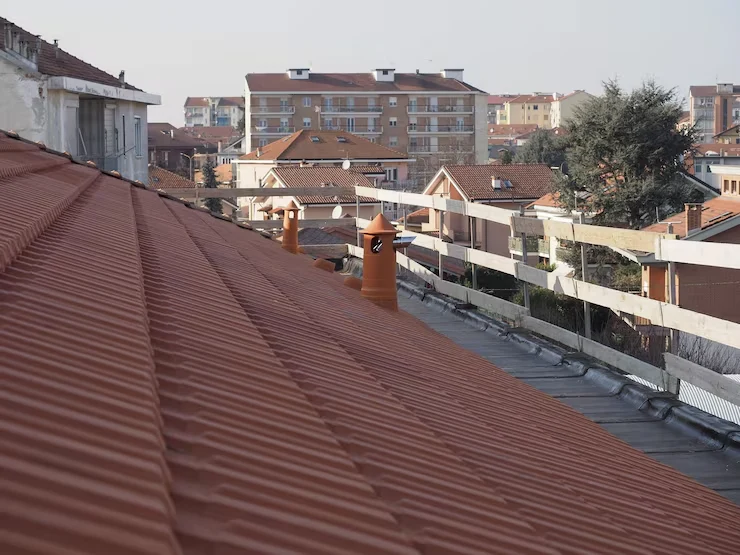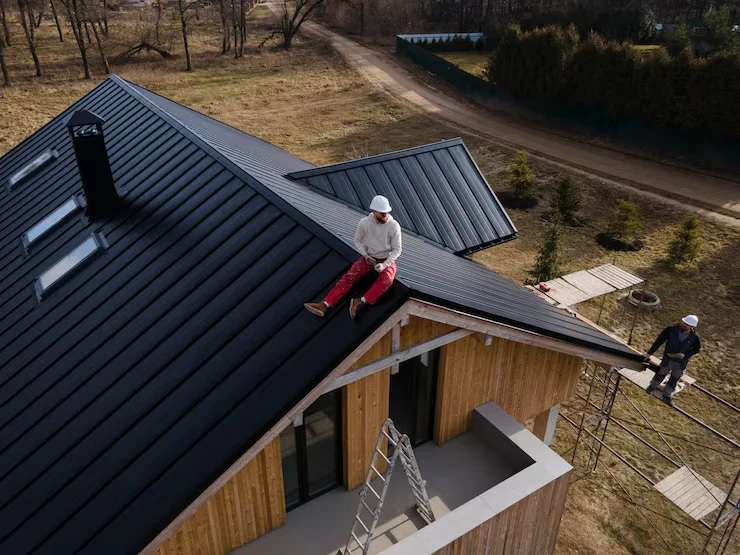
Metal roof vs shingles is one of the first questions Plano homeowners ask after a hailstorm or a failed roof. Each side has a trade body arguing its case, and most pages you will find are written to sell one of them.
This guide sets the two side by side on hail, heat, wind, upkeep and the problems nobody mentions in a brochure. Where a claim comes from an industry group, it is named so you can weigh it. There are no prices, only cost drivers, and no lifespans that a source does not state.
Metal roof vs shingles: what is the short answer?
Neither material wins on every count. Metal tends to resist puncture from hail and can reflect more heat, but it costs more upfront and brings its own problems, such as denting, waviness and screw upkeep on some systems. Asphalt shingles are cheaper and easier to install and repair, but they wear and bruise.
The right choice depends on four things: how long you plan to stay, the shape of the roof, how much hail risk you want to carry, and whether the exact product and installer are good. A simple gable roof suits metal better than a cut-up roof with many valleys and penetrations.
| Factor | Metal | Asphalt shingles |
|---|---|---|
| Upfront cost | Higher | Lower |
| Hail | Rarely punctures; can dent | Can bruise, crack or lose granules |
| Heat | Reflective finishes available | Reflective granules available |
| Repairs | Specialist, system-specific | Widely available, simpler |
| Market share | Smaller | About four in five US homes |
The rest of this guide explains each row with its source.
Do metal roofs hold up better in Plano-area hail?
Metal is much less likely than asphalt to be punctured by hail, according to the metal industry’s reading of IBHS studies. It can still dent. Whether a dent matters depends on whether it lets water in and on how your insurance policy treats cosmetic damage. Asphalt shingles crack, bruise and shed granules instead.
Hail is the reason this question matters here. According to the NOAA National Centers for Environmental Information Storm Events Database, the Plano area logged 310 hail reports on 62 separate days between 2016 and 2025. Hail of 2 inches or larger was reported on 17 of those days. The counts come from the raw Storm Events data files and record reports, not every storm.
The Metal Roofing Alliance (MRA) says on its hail page that hail will typically not penetrate a metal roof. It says the majority of metal roofing earns a UL 2218 Class 4 rating. The MRA also concedes that all roof types can sustain some cosmetic damage, depending on how severe the storm is.
Independent evidence is narrower than either industry suggests. The scope of UL 2218 says there is no established direct correlation between how a product resists hailstones and how it resists the test’s steel balls. IBHS has studied low-slope metal roofing with the Metal Building Manufacturers Association, but the full report is for members only, so we do not quote its findings.
IBHS has also looked at hail locally. After hail crossed Dallas-Fort Worth on 24 May 2011, IBHS evaluated claim and policy data for more than 67,000 homes in 20 ZIP codes. It reports there was not enough data to compare impact-resistant and ordinary roofs of similar age.
For a metal option that looks like a shingle, the stone-coated steel roofing guide covers what the tests show.
Which is better in North Texas heat?
Finish matters more than material. The MRA says unpainted metal reflects more solar radiation than asphalt, and its best painted or granular-coated finishes can re-emit up to 90% of absorbed solar radiation. Asphalt makers offer solar-reflective granules too. A dark roof of either kind absorbs more heat than a reflective one.
The 90% figure comes from the MRA’s energy savings page. It is the trade body’s claim for its most reflective finishes, not a property of every metal roof. The same page claims metal may save 10 to 40% in energy costs, which again is an industry figure for the best cases.
On the asphalt side, the Asphalt Roofing Manufacturers Association (ARMA) describes solar-reflective shingles that use special granules to keep roof temperatures cooler, which can reduce air conditioning use in hot climates.
The neutral test is a rating, not a brochure. The Cool Roof Rating Council explains that a cool roof strongly reflects sunlight and efficiently emits the heat it absorbs. Ask whether the exact product, in the exact colour, has been rated.
Heat also moves metal. The Metal Construction Association (MCA) notes in its oil canning bulletin that waviness can appear in flat areas of metal panels. Panels expand and contract with temperature, so fastening has to allow for that movement.
What is the biggest problem with metal roofs?
The biggest practical problems are upfront cost, cosmetic denting from large hail, visible waviness called oil canning, and, on exposed-fastener systems, screws and washers that need checking. Repairs are specialist work and depend on the panel system. None of these is a reason to rule metal out, but each belongs in the decision.
Taking them one at a time:
- Cost. The MRA’s own FAQ says to expect a metal roof to cost roughly two to three times what an asphalt shingle roof costs. It adds that roof shape and pitch influence the estimate more than the metal style does.
- Oil canning. The MCA defines oil canning as visible waviness in the flat areas of metal panels. It says no manufacturer, fabricator or installer can assure total prevention, though careful design and installation can reduce it.
- Exposed screws. SFS, a fastener manufacturer, lists the disadvantages of exposed-fastener systems as including leaks, damage from panel movement, corrosion risk from rusting fasteners and more maintenance.
- Dents. The MRA concedes cosmetic damage is possible in severe hail. How a policy treats it is for your insurer to say.
- Repairs. SFS says standing seam failures can be difficult to repair and may need panels, clips and fasteners replaced.
Noise is often raised too. The MRA says there is little difference between metal and other materials when it comes to noise from rain or hail. Treat that as the industry’s position.
What is the biggest problem with asphalt shingles?
Asphalt’s main weaknesses are hail bruising and cracking, granule loss that exposes the asphalt to sunlight, and sealant bonds that can let go in wind, especially after hail. Shingles are cheaper and easier to repair, but a Plano-area roof can need attention after a single bad storm season.
ARMA’s system guide explains why granules matter. They protect the asphalt from degradation caused by prolonged ultraviolet exposure. Lose them, and the shingle ages faster.
IBHS research on asphalt shingle durability found that sealant strength is a critical factor in resisting wind damage, particularly after hail impact. In North Texas, spring storms often bring both.
The upside is real. ARMA’s FAQ calls asphalt the easiest standard roofing material to apply and says it performs well in extreme temperatures. It also says four out of five US homes are roofed with asphalt shingles, which keeps materials and repair crews easy to find.
Do metal roofs last longer than shingles?
The metal industry says yes. The MRA claims a metal roof lasts 30 to 50 or more years and puts the average asphalt roof at 12 to 20 years. ARMA says an asphalt roof over 20 years old is a prime candidate for reroofing. These are trade association figures, not independent measurements.
The MRA’s FAQ gives both of its figures in a document that argues for metal. It also says most metal roofs come with a 30-to-50-year warranty. The MCA’s steep slope page says manufacturers typically warrant their products for 20 to 40 years. Read the terms, because a warranty and a lifespan are different things.
Fasteners can shorten the real-world picture. SFS’s screw replacement guide says that once exposed metal roof screws are older than 20 years, they are on borrowed time. That is a maintenance cost the headline lifespan does not show.
Why are metal roofs less common on Plano homes?
Upfront cost is the main reason. The MRA itself says metal costs roughly two to three times as much as asphalt shingles. Asphalt is also easier to install, more crews know it, and repairs are simpler. Many homeowners do not stay long enough to see the long-term case for metal pay back.
Roof shape matters too. The MRA says roof shape and pitch influence the estimate more than the metal style. A house with many hips, valleys and penetrations takes more trim and labour.
Neighbourhood rules can play a part. Some homeowners associations restrict roofing materials or colours, so check before you commit.
None of this makes metal a poor choice. It means the decision is about your house, your timeline and your budget.
How do you decide between metal and shingles?
Start with how long you will stay and how much hail risk you want to carry. Then compare named products: the UL 2218 class, any IBHS rating for shingles, the cool roof rating, the wind rating, and for metal, whether fasteners are exposed or concealed. The installer’s experience with that exact system matters as much.
Questions to ask each contractor:
- Which exact product and profile? For metal, is it standing seam, exposed-fastener panel or metal shingle? The types of metal roofing guide explains each.
- What is the impact and wind evidence? Ask for the UL 2218 class and the wind test.
- What finish and colour? Ask whether it is rated by the Cool Roof Rating Council.
- How are panels fastened and how will they move? The MCA says fastening must allow for thermal movement.
- What upkeep will it need? Exposed screws need periodic checks by a professional.
- What does your insurer say? Coverage and any discount are set by your policy.
In Plano, a reroof is done under the city’s adopted building code. Ordinance No. 2025-6-15 adopted the 2024 International Residential Code with local amendments, and we found no amendment requiring one material over another.
For shingles, metal and flat roof systems side by side, see the guide to roofing materials for Plano homes. If you have decided metal is worth pricing for your house, Roofing Repair Plano handles that through our metal roofing service.
Frequently asked questions
Do metal roofs last longer than shingles?
The Metal Roofing Alliance claims 30 to 50 or more years for metal and 12 to 20 years for the average asphalt roof. ARMA says an asphalt roof over 20 years old is a prime candidate for reroofing. Both are trade association figures. Installation, fasteners and hail exposure decide what a particular roof achieves.
What is the cheapest roof to put on a house?
Asphalt shingles are the lower-cost option for a pitched roof, and ARMA calls the three-tab shingle the least expensive asphalt product. The Metal Roofing Alliance says metal costs roughly two to three times as much as asphalt shingles. Size, slope, tear-off and decking drive the real total, so compare itemised quotes.
What is the biggest problem with metal roofs?
Upfront cost comes first. After that, large hail can dent metal cosmetically, flat panel areas can show waviness called oil canning, and exposed-fastener systems need their screws and washers checked over time. Repairs are specialist work. Concealed-fastener standing seam avoids exposed screws but is harder to repair when it fails.
Why are metal roofs not more popular?
Mainly cost: the metal industry itself says metal runs two to three times the price of asphalt shingles. Asphalt is also easier to install, more crews work with it, and repairs are simpler. Complex roof shapes add trim and labour to metal, and some homeowners associations restrict materials or colours.
Is a metal roof noisy in a hailstorm?
The Metal Roofing Alliance says there is little difference between metal and other materials when it comes to noise from rain or hail. That is the industry’s position, not an independent measurement. If noise worries you, ask the installer what will sit beneath the panels and whether you can visit a finished job in the rain.