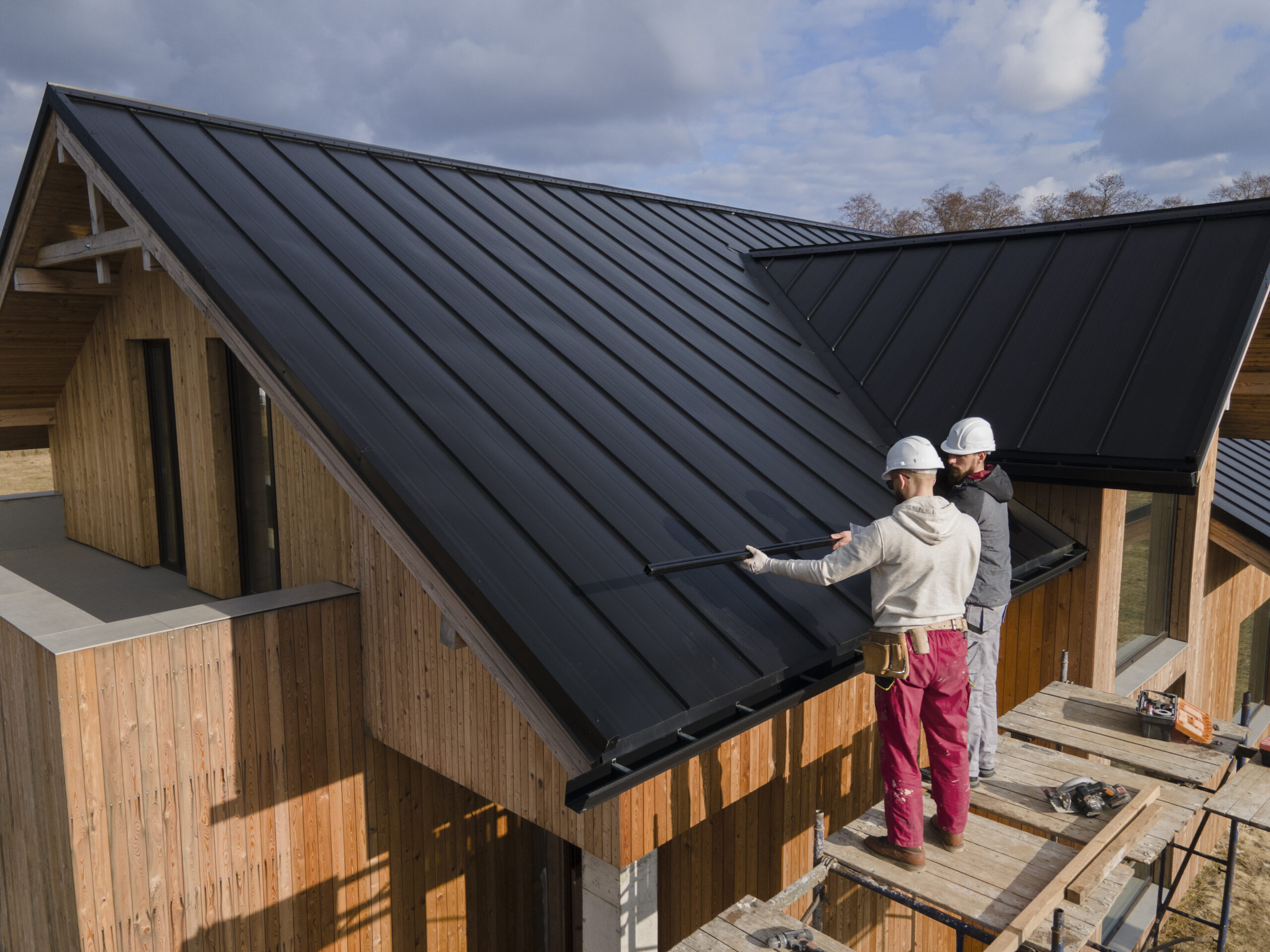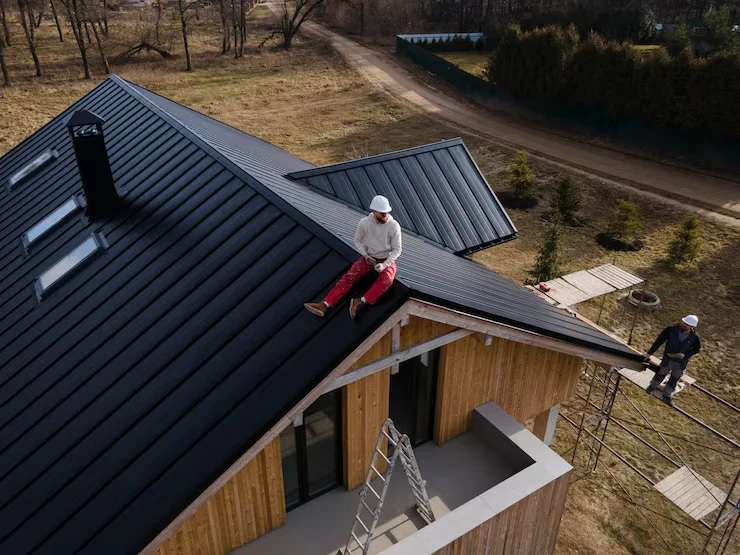
If your home already has solar and the roof under it needs replacing, the panels have to come off first. That surprises many owners, and it brings in a second company, a second schedule and a set of questions about who is responsible for what. Solar panel removal for roof replacement is a coordination job as much as a technical one.
This guide sets out the usual order of work, who typically handles each step, what to ask about warranties and permits, and how to avoid paying twice. It explains roles and questions only. It gives no prices, and it never suggests that a homeowner disconnect, unbolt or move any part of a solar system.
How does solar panel removal for roof replacement work?
Solar panel removal for roof replacement follows a fixed order. The system is shut down and disconnected, the panels and racking come off, the roof is replaced, and the array is reinstalled, reconnected and checked. Each step depends on the one before, so the roofer and the solar company need to agree on the schedule before work starts.
At a high level, the job runs in three phases:
| Phase | What happens | Who usually leads |
|---|---|---|
| Before the roof work | System shut down, wiring disconnected, panels and racking removed and stored | Solar installer or a solar service company |
| Roof work | Tear-off, decking check, underlayment, shingles and flashing, including at the future mount points | Roofing contractor |
| After the roof work | Mounts and racking reinstalled and sealed, panels refitted, system reconnected and tested | Solar installer or a solar service company |
The phases sound simple. The friction is in the hand-offs: who seals the mount points, who is liable for a leak at a mount, and who restarts the system. Settle those before the first panel comes down.
ENERGY STAR explains why this whole sequence is worth avoiding where you can. In its rooftop solar guide, it says that if a roof needs renovations, it makes sense to replace it before installing solar panels, so they do not have to be removed and reinstalled later. If you are still planning a system, our guide on solar panels and your roof covers that decision.
Who should remove and reinstall the solar panels?
The company that installed the panels, or another licensed solar company, should handle removal and reinstallation. The work involves electrical disconnection and reconnection, and the panel and inverter warranties may depend on who touches the system. A roofer may coordinate the schedule, but ask exactly who will do the electrical work and who holds the license.
Plano’s adopted residential code, Ordinance 2025-6-15, requires contractors who obtain permits to be registered with the city. It also requires electrical contractors to provide proof of the required State of Texas licenses. Solar wiring is electrical work, so the company handling it should be able to show that license.
Start with the original installer if it is still in business. It knows the layout and the equipment, and it may have warranty obligations of its own. If the system is leased, the lease may say who can touch it, so call the leasing company before booking anyone.
If the original installer is gone, look for another solar company willing to take on removal and reinstallation. ENERGY STAR suggests looking for installers that are licensed, insured and credentialed by a certified body such as the North American Board of Certified Energy Practitioners.
Some roofing companies offer to manage the whole job and bring in a solar partner. That can simplify scheduling. It does not change the questions: who disconnects, who reinstalls, who seals the mounts and who warrants each part.
What order should the work happen in?
The work should happen in a strict order: plan, shut down and remove the array, replace the roof, then reinstall and reconnect. Skipping ahead causes problems. Reinstalling racking before the flashing is finished, or restarting the system before mounts are sealed, leaves weak points that are hard to fix once panels are back on.
A typical sequence:
- Joint planning. Roofer and solar company agree on dates, storage of the panels and who handles each step.
- System shutdown. The solar company shuts the system down and disconnects it, following its procedures.
- Panel and racking removal. Panels and rails come off and are stored safely, on site or off.
- Roof replacement. The roofer tears off, checks the decking, and installs underlayment, shingles and flashing.
- Mount preparation. Mount points are located and prepared so they can be sealed into the new roof.
- Reinstallation. Racking and panels go back on, with each attachment sealed.
- Reconnection and testing. The solar company reconnects the system and confirms it is producing.
- Final roof check. The roofer checks the roof around the array for damage from reinstallation.
ENERGY STAR recommends that last check for any solar job. It suggests asking your roofing company whether it will come back after the panels are installed to confirm they have not damaged the roof. Our guide to what happens on re-roof day covers step 4 in detail.
Who is responsible if the roof leaks at a solar mount?
Responsibility for a leak at a solar mount depends on who installed and sealed that mount and what each company’s written warranty covers. That is why the hand-off between roofer and solar company matters. Agree in writing, before the job starts, which company is responsible for the waterproofing at each attachment through the new roof.
The question is real because shingle warranties may not help. The Owens Corning Platinum Protection limited lifetime warranty states that it does not cover non-Owens Corning components and that it will not compensate for the removal and replacement of solar panels or other rooftop equipment. Each maker’s terms differ, so read yours.
A clear split often looks like this, but your contracts decide:
| Item | Who to ask about responsibility |
|---|---|
| Shingles, underlayment and flashing on the new roof | Roofing contractor |
| Mounts, racking and the seal at each attachment | Whoever installs and seals them, in writing |
| Panels, inverters and wiring | Solar installer or panel and inverter makers |
| Damage during removal or reinstallation | The company doing that step, under its contract |
If nobody will put the mount waterproofing in writing, treat that as a warning. A leak months later at a mount can turn into two companies each pointing at the other.
What should you ask before booking the removal?
Before booking, ask who removes and reinstalls the panels, who holds the electrical license, who seals the mounts, where the panels will be stored, how long the system will be offline, and how each warranty is affected. Get the answers in writing from both companies, with the dates they have agreed between them.
Questions for the solar company:
- Will you remove and reinstall the system, or recommend someone who will?
- Who holds the State of Texas electrical license for this work?
- Does removal or reinstallation affect the panel or inverter warranties?
- Where will the panels be stored, and who is responsible for damage in storage?
- Are new mounts, flashing kits or other parts needed for reinstallation?
- How will you confirm the system is working afterward?
Questions for the roofer:
- Have you worked alongside a solar company on a re-roof before?
- How will you handle the roof at the mount locations?
- Who is responsible for leaks at the mounts after reinstallation?
- Will you check the roof after the panels go back on?
ENERGY STAR’s own list of questions for solar providers includes who is responsible for permissions and inspections, and what the warranty covers. Both apply to a removal job as much as a new installation.
How long will the solar system be offline?
The system is offline from shutdown until reconnection, which covers removal, the roof replacement and reinstallation. The total depends on the roof size, the weather and how well the two companies coordinate. Ask each company for its part of the timeline, then ask them to agree on a combined schedule in writing.
Weather affects the roofing phase most. At DFW, the National Weather Service climate normals show May and October as the wettest months, with averages of 4.78 and 4.37 inches. A re-roof in those months has a higher chance of rain delays, and every delay keeps the array down longer.
Ways to shorten the gap:
- Book the solar company’s reinstallation date when you book the roofer, not after.
- Ask the roofer to work the array area first if the roof layout allows.
- Confirm that any new mounting parts are on site before the roof is finished.
If you are on a lease or a production-based agreement, ask the solar company how downtime is handled under your contract.
How can you avoid paying for removal twice?
To avoid paying for removal twice, replace the roof before solar goes on, or fix everything the roof needs during the one removal. If the panels are coming off anyway, use that window to deal with flashing, decking and any worn areas under the array, rather than patching around them and repeating the process later.
Practical steps:
- Inspect the whole roof first. Find everything that needs work before the panels come down.
- Plan the full scope. Include flashing, decking and penetrations in the same job.
- Look at the array area closely. Shingles under panels are hidden and harder to reach later.
- Document the new roof. Photograph the roof before reinstallation, especially at the mount points.
Hail is the other reason to plan carefully in this area. The NOAA Storm Events Database records 310 hail reports on 62 separate days in the Plano area between 2016 and 2025. If hail damage is part of why the roof is being replaced, your policy and insurer decide what is covered, including removal and reinstallation, so confirm with your insurer before work starts.
What should you never do yourself?
Never disconnect, unbolt or move solar panels yourself, and never climb onto the roof to check mounts. A solar array is electrical equipment that belongs to licensed hands, and roof work is dangerous without training and fall protection. Your part is the planning, the paperwork and checking from the ground or the attic.
What you can usefully do:
- Collect the solar contract or lease, warranties and the original installer’s details.
- Photograph the array from the ground before work starts.
- Check the attic for water stains near the array before and after the job.
- Keep every written agreement between you, the roofer and the solar company.
If your roof is due for replacement under an existing array, Roofing Repair Plano handles roof replacement and can coordinate the order of work with your solar company. Our re-roof planning guide covers timing, warranties and the other decisions around a replacement.
Frequently asked questions
Do solar panels have to be removed to replace a roof?
Yes, for the roof sections under the array. Panels and racking are fastened through the roof, so they must come off before the shingles, underlayment and flashing underneath can be replaced. ENERGY STAR advises replacing a roof that needs work before solar is installed, to avoid removing and reinstalling the panels later.
Who removes solar panels for a roof replacement?
Usually the original solar installer or another licensed solar company, because the work involves electrical disconnection and reconnection. Plano’s residential code requires electrical contractors to show the required State of Texas licenses. The roofer may coordinate the schedule. Get in writing who handles each step and who seals the mounts.
Who is responsible for leaks at solar mounts after a re-roof?
It depends on who installed and sealed each mount and what the written warranties say. Shingle warranties may not help: the Owens Corning Platinum Protection terms exclude compensation for removing and replacing solar panels. Agree before work starts which company is responsible for the waterproofing at each attachment.
Does removing solar panels affect the panel warranty?
It can. Panel and inverter warranties set their own conditions, and some may depend on who handles the equipment. Ask the solar company, or the leasing company if the system is leased, before anyone removes the panels. Get the answer in writing and keep it with your roof and solar records.