A roofing estimate that includes the skylights often surprises people, especially when the skylights look fine from inside. The line item is not automatically an upsell. A re-roof is the one moment when a skylight’s flashing, curb and surrounding deck are fully exposed, so skylight replacement during roof replacement is a decision worth making on purpose.
This guide explains the three choices, reflash, replace or remove, and how to decide between them. It covers what a building code says about skylights, what to ask your contractor, and what each choice means for the roof around it. There are no prices here, only the factors that drive them.
Why do skylights come up during a roof replacement?
Skylights come up during a roof replacement because the old shingles, underlayment and flashing around them are removed along with the rest of the roof. At that point the skylight must be either reflashed into the new roof, replaced with a new unit, or removed and the opening closed. Leaving it untouched is not one of the options.
A skylight is a large hole in the roof, and its flashing ties the unit into the roof covering on all four sides. When the roof covering comes off, that tie is broken. Something has to be installed in its place before the new shingles go on.
The Asphalt Roofing Manufacturers Association (ARMA) treats the area around skylights as a critical zone. Its Residential Asphalt Roofing Manual lists skylights, along with chimneys, valleys and dormers, among the places where self-adhering underlayment is commonly used. The same manual says self-adhering underlayments make excellent flashings around penetrations, including skylights.
So the estimate line is real work. The question is which of the three versions of that work your skylight needs.
There is an inside consideration too. While the flashing is off, the skylight opening is one of the easiest places for dust, debris and rain to reach the room below. Ask how the crew will cover the opening during tear-off and overnight, and clear furniture and rugs away from beneath the skylight shaft before work starts. A room under a skylight is also where you will first see a problem if the new flashing is wrong, so note any stain in the weeks after the job.
| Option | What happens | Best suited to |
|---|---|---|
| Reflash | Existing unit stays; new flashing and underlayment tie it into the new roof | A sound unit compatible with a new flashing kit |
| Replace | Old unit removed; new unit and matching flashing installed | An aging, fogged or damaged unit |
| Remove | Unit taken out; opening framed, decked and roofed over | A skylight you no longer want |
Should you reflash or replace a skylight during a re-roof?
Reflash a skylight when the unit is sound, its seals are intact, and a proper flashing kit exists for it. Replace it when the glazing is fogged or cracked, the frame is damaged, or the unit is aging. The deciding question is whether the unit can last as long as the new roof around it.
A skylight that fails a few years after a re-roof has to be taken out of a new roof to fix it. That means disturbing new shingles, underlayment and flashing that were meant to stay untouched. Replacing an aging unit while the roof is open avoids that.
Questions that help you decide:
- How old is the unit? Check for a manufacturer’s label on the frame, or ask the contractor to look.
- Are the seals intact? Fogging or moisture between panes means a failed seal.
- Is there damage? Cracked glazing, bent frames or rust are reasons to replace.
- Is a flashing kit available? Some older units have no current kit, which makes a reliable reflash harder.
- Do you still want it? A skylight in a room you no longer use can be removed.
Ask the contractor to explain their recommendation in writing. A clear reason for each skylight is a better sign than a blanket “all skylights replaced”.
When does skylight replacement during roof replacement make sense?
Skylight replacement during roof replacement makes the most sense when the unit is aging or damaged and the roof is already open. The new unit can be installed with its own matched flashing into fresh underlayment, so the skylight and the roof start their service lives together. Doing it later means opening the new roof.
There is also a practical efficiency. During a tear-off, the crew already has the deck exposed around the skylight. Installing a new unit then avoids a second visit, a second disturbance of the shingles and a second set of flashing joints.
Replacement is not always the right call. A newer, well-sealed unit with an available flashing kit can be reflashed into the new roof without any loss of performance. Replacing a good unit only because the roof is open is a choice, not a requirement.
If the reason you are considering a new skylight is a leak, find the cause first. A skylight leak is often the flashing, not the glass. Our guide to roof flashing leaks explains how to tell flashing leaks from condensation and how skylight flashing fails.
What does the building code say about skylights?
The International Residential Code has its own rules for skylights, separate from the roofing rules. They cover the glazing type, protective screens under some glass, testing and labelling, and a curb on low-slope roofs. Plano adopted the 2024 edition of the code with local amendments, so ask Plano Building Inspections which rules apply to your job.
Plano adopted the 2024 International Residential Code through Ordinance 2025-6-15. Its amended section R105.3 requires permit applicants to be registered with the city, with an exception for homeowners working on their own residence.
The 2021 edition of the code, as published by UpCodes for Texas, includes these skylight provisions:
- Section R308.6.8, curbs. Unit skylights on a roof with a pitch below 3 in 12 must be mounted on a curb at least 4 inches above the roof plane, unless the manufacturer’s instructions say otherwise.
- Section R308.6.9, testing and labelling. Unit skylights and tubular daylighting devices must be tested by an approved independent laboratory and carry a label identifying the manufacturer, performance grade rating and inspection agency.
- Section R308.6.4, screens. Where the inboard pane of a multiple-glazed skylight is fully tempered, heat-strengthened or wired glass, a broken glass retention screen is required below the glass, with listed exceptions.
These are the 2021 model code wording. Plano’s 2024 edition may differ in detail, so confirm with the city.
A new skylight should arrive with its label in place. Ask to see it before installation.
What happens to the roof when a skylight is removed?
When a skylight is removed, the opening is framed, decked and roofed to match the surrounding roof, and the shaft and ceiling inside are closed and finished. It is a small structural job as well as a roofing job. Removal makes sense for a skylight you no longer want or one that has caused repeated problems.
The roof side involves several trades’ worth of work. Framing members may need to be added to support the new deck. New decking goes in, then underlayment and shingles that tie into the surrounding roof. Inside, the light shaft is closed off and the ceiling patched and painted.
Because it involves framing, removal is not a homeowner task. It belongs to a contractor who handles both the structure and the roof, and it may need a permit. Ask Plano Building Inspections before the work starts.
Removal also has a cost on the light side. A room that relied on a skylight may need new lighting. Consider that before you decide.
How are skylights flashed into a new roof?
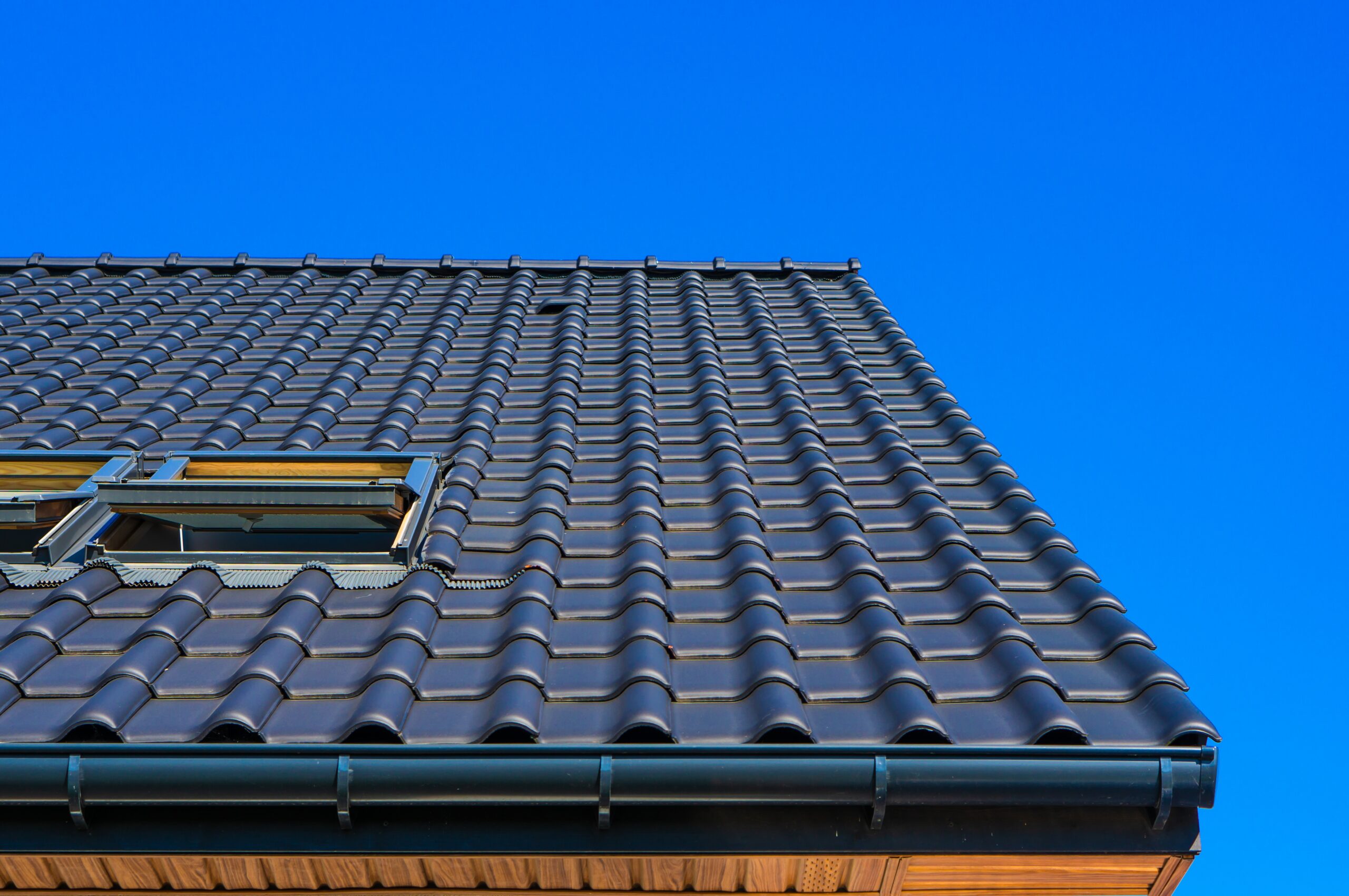
A skylight is flashed into a new roof with a combination of self-adhering underlayment around the opening and a flashing kit, usually from the skylight’s own manufacturer, that laps under and over the surrounding shingles. The pieces shed water around all four sides of the unit, and the order of installation matters as much as the parts.
The usual sequence on a shingle roof:
- Self-adhering membrane applied around the opening, as ARMA describes for critical areas.
- Underlayment across the rest of the deck, lapped correctly with the membrane.
- Bottom flashing piece installed first, lapping over the shingles below the skylight.
- Side flashing woven or stepped with the shingle courses up each side.
- Head flashing at the top, lapping under the shingles above so water is directed around the unit.
Most skylight manufacturers sell flashing kits matched to each model. The roofer should follow both the skylight maker’s instructions and the shingle maker’s. Ask which kit will be used and whether it is new.
Do not attempt this yourself. It is roof work at height, and a flashing mistake is hidden until the next storm.
What should you ask your roofer about skylights?
Ask your roofer what they plan to do with each skylight, why, and what the price includes. A good answer names the option for each unit, the flashing kit, who supplies the skylight, how the inside is protected, and what warranty covers the skylight separately from the roof. Write the answers into the contract.
A short list to bring to every estimate:
- Will each skylight be reflashed, replaced or removed, and why?
- Will the flashing kit be new and matched to the unit?
- Who supplies a replacement skylight, and which model?
- Is the inside of the room protected during the work?
- Does a separate warranty cover the skylight unit?
- If the deck around the skylight is rotten, how is that repair charged?
If solar panels are also on the roof, removing and reinstalling them adds another step to the schedule. Our guide to removing solar panels for a re-roof explains who does what and in what order.
For the full sequence of the job, see what happens on re-roof day, and for the wider decisions, our guide to planning a re-roof in Plano. When you want each skylight assessed as part of a quote, Roofing Repair Plano provides roof replacement in Plano and nearby cities.
Frequently asked questions
Should skylights be replaced when replacing a roof?
Not always. Replace a skylight during a re-roof when it is aging, fogged, cracked or has no available flashing kit, because fixing it later means opening the new roof. A sound, well-sealed unit with a matched kit can be reflashed instead. Ask your roofer for a written reason for each skylight.
Is it necessary to reflash a skylight with a new roof?
Yes, if the skylight stays. The old flashing and underlayment around it are removed with the old roof, so the unit has to be tied into the new roof with new underlayment and flashing. ARMA lists skylights among the critical areas where self-adhering underlayment is commonly used. Reusing worn flashing should never be the default.
Can a skylight be removed and roofed over?
Yes. The opening is framed, decked and roofed to match the surrounding roof, and the shaft and ceiling inside are closed and finished. Because framing is involved, it is a contractor job and may need a permit. Ask Plano Building Inspections first, and plan for new lighting in the room below.
Do skylights leak more on an old roof?
Skylight leaks usually come from the flashing around the unit rather than the glass, and flashing ages with the roof. Our guide to roof flashing leaks covers how to tell a flashing leak from condensation. A re-roof is the natural time to renew that flashing, whether or not the unit itself is replaced.
Is a new skylight eligible for a tax credit?
The IRS says its energy efficient home improvement credit, which covered qualifying skylights, can be claimed for improvements made through December 31, 2025. A skylight installed in 2026 falls outside that date. Ask a tax professional about your own situation, because this guide does not give tax advice.